
Essential Readings: Unlocking the Secrets of the Human Being, Existence, Growth, and Eternity
Discover Our Foundations: The Core Sources of the Self-Knowledge School





Sources of the Self‑Knowledge School
The Intellectual and Scholarly Foundations of the Self‑Knowledge School
The Self‑Knowledge School is built on a foundation of profound, life-changing ideas. Understanding our true purpose—our relationship with God, the universe, the hereafter, society, and civilization—requires more than just surface-level reading; it requires a deep dive into authentic, reflective sources.
We don't view these books as optional extras. They are the scholarly backbone of our school, designed to give you a grounded, rigorous perspective on the path of growth.
We have gathered these sources not just to provide a reading list, but to offer you a clear pathway toward serious study, bringing you directly to the intellectual roots of our teachings.
Part One: The Works of Professor Shojaee
The educational content of the Self-Knowledge School is shaped by sources that are fundamental to understanding the truth of the human being, the path of personal growth, the principles of a meaningful lifestyle, the relationship between the individual, society and civilization, as well as inner cultivation and spiritual development.
Among these essential sources, we encourage you to explore the works of Professor Shojaee, which hold a central position in defining many of our core discussions. Offering a cohesive and integrated perspective, his books directly address the human essence, our place in the order of creation, the path toward spiritual perfection, the principles of living well, the relationship between the individual, society, and civilization, and the cultivation of moral and spiritual character. For this reason, we invite you to view these materials as a vital starting point for understanding the intellectual foundations of the Self-Knowledge School.
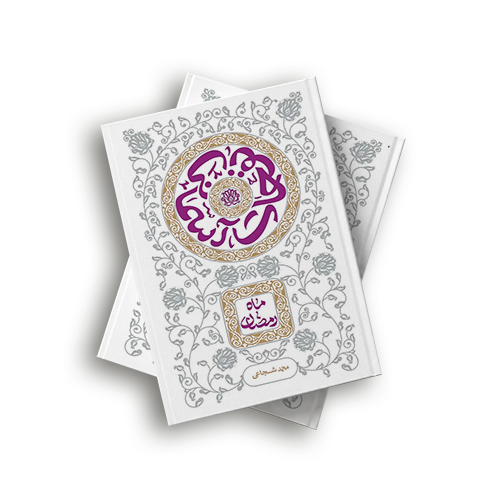
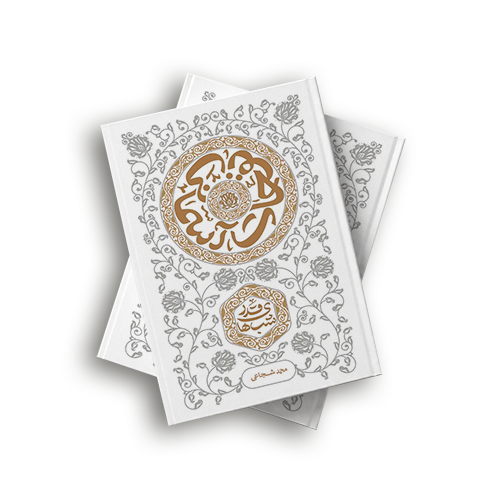
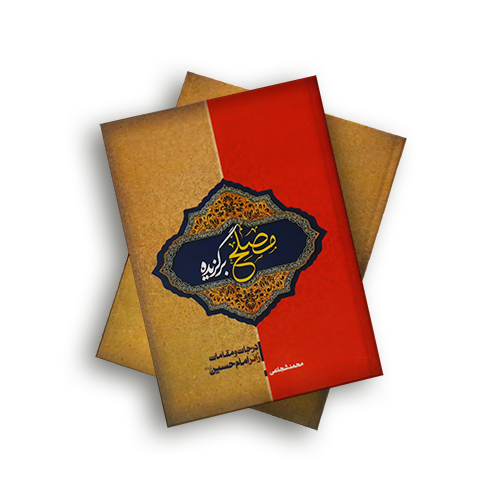
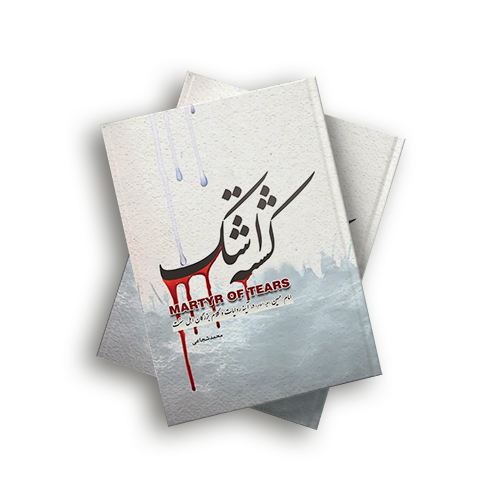
For clarity and ease of reference, the works of Professor Shojaee presented on this page are organized into four thematic categories: Self‑Knowledge, Lifestyle, Civilization-Building, and Spiritual Skills.
Self‑Knowledge

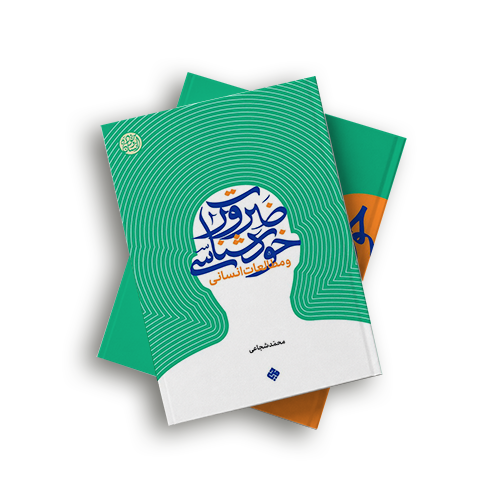
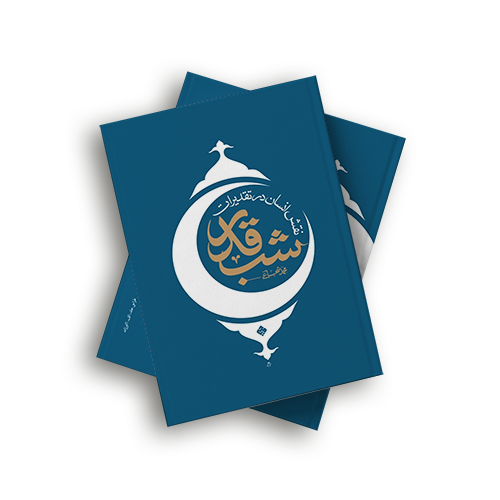
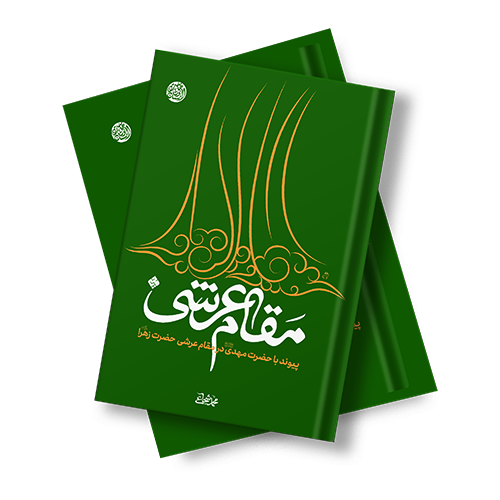
Lifestyle
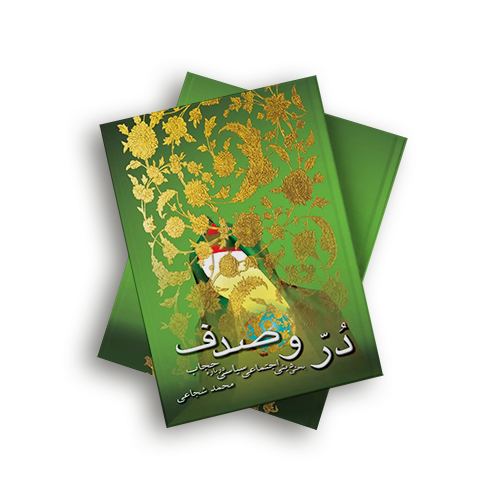
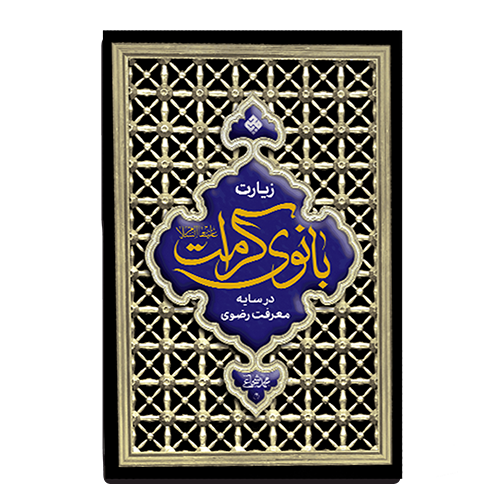
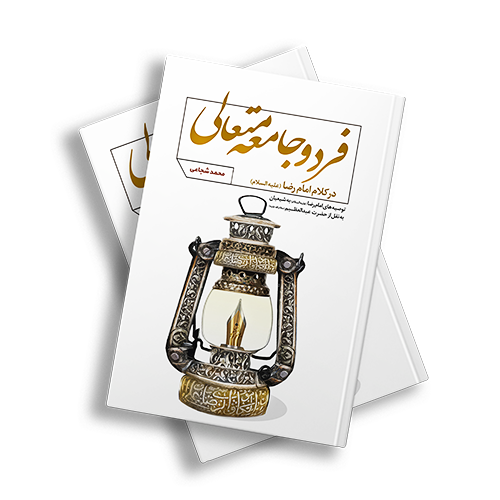
Civilization-Building

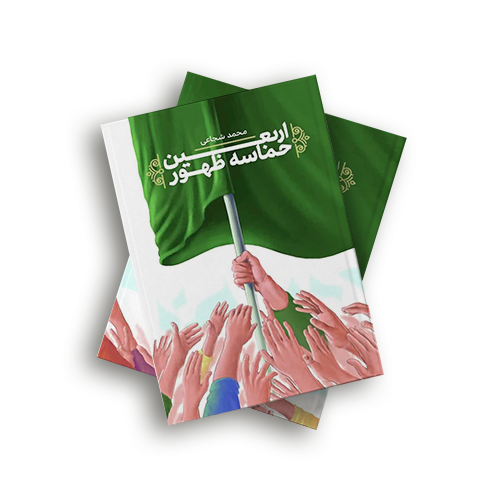
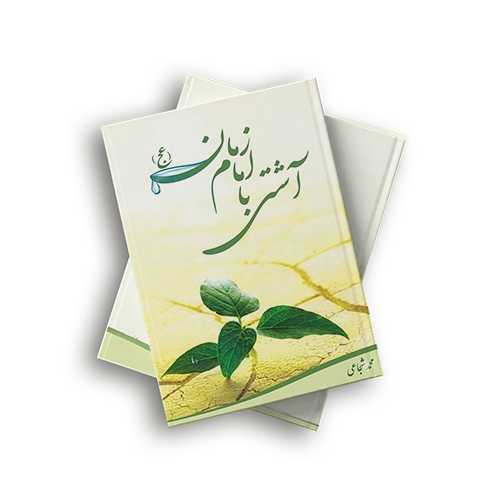

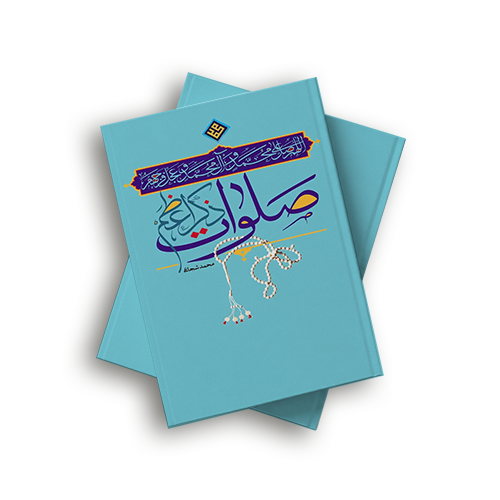
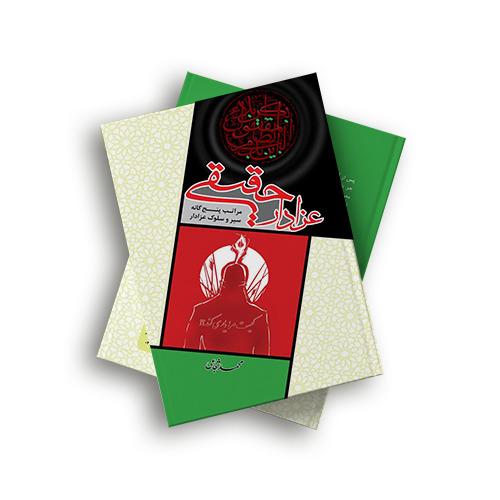
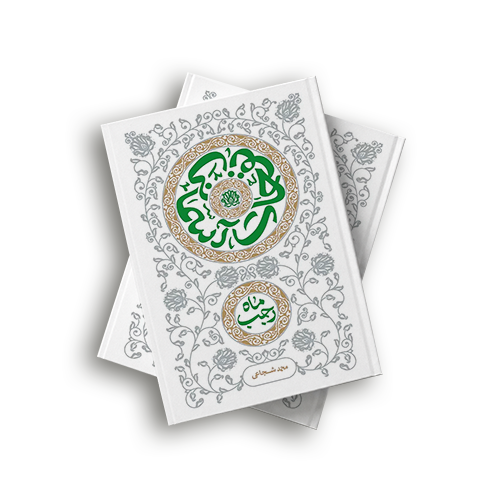
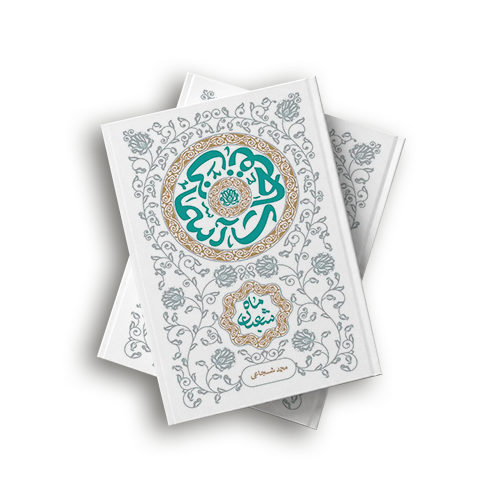
Part Two: Islamic and Philosophical Sources
Islamic and Philosophical Sources
Alongside the works of Professor Shojaee, the Self‑Knowledge School draws upon a body of authoritative Islamic sources as well as selected philosophical works. We invite you to explore these texts, which contribute to a deeper understanding of the foundations of the human being, existence, deep understanding (ma’rifa), the ultimate purpose of life, and the path toward spiritual perfection. For researchers, educators, seminary students, university students, and our more advanced audiences, engaging with these sources can open exciting new intellectual horizons.
These selected works address fundamental themes such as the human soul, the human relationship with God, the world and the hereafter, death and eternity, innate human nature (fitrah), purification of the soul, guidance, and the path toward spiritual perfection. By diving into these sources, you will discover that self‑knowledge in this school is not merely a psychological or empirical inquiry; rather, it is deeply rooted in the Islamic intellectual tradition and grounded in a monotheistic understanding of the human being and existence.
Later Sources
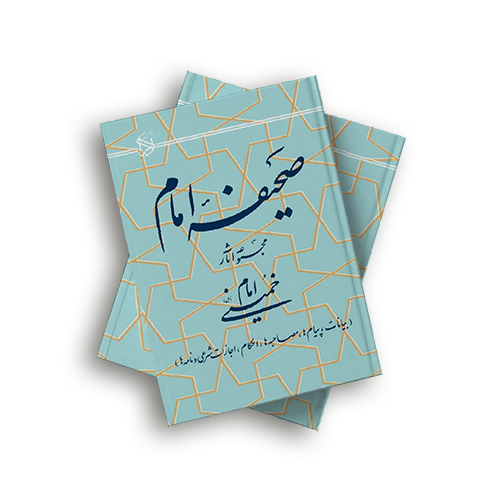
صحیفه امام خمینی
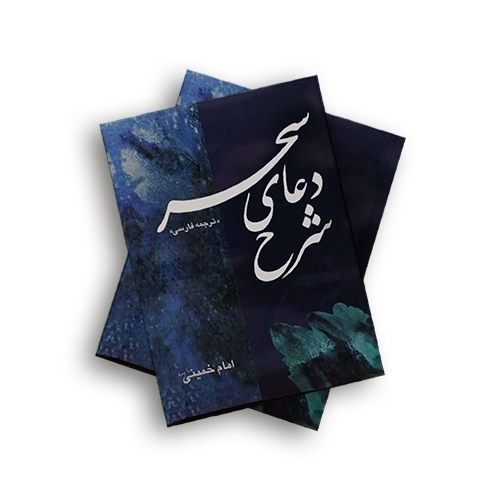
شرح دعای سحر
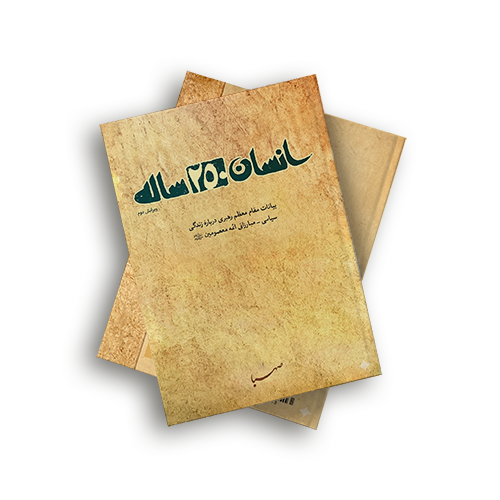
انسان 250 ساله
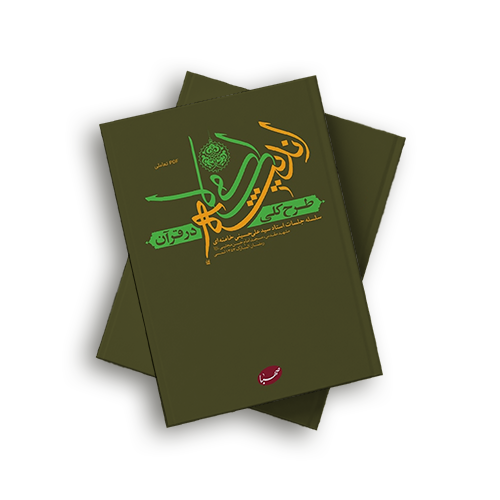
طرح کلی اندیشه اسلامی در قرآن
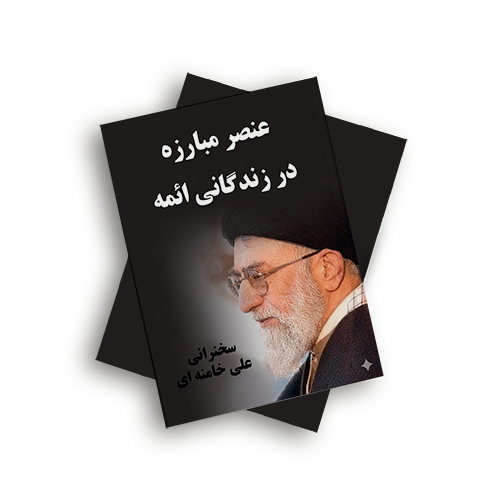
عصر مبارزه در زندگی ائمه
اندیشه مقاومت
دروس معرفت نفس
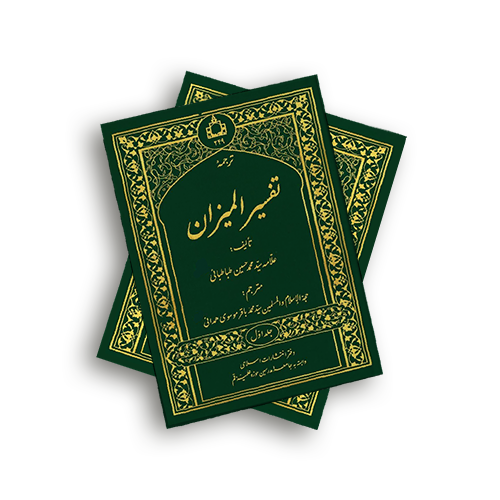
ترجمه تفسیر المیزان
میزان الحکمه
تفسیرالقمی
ادب فنای مقربان

حکومت جهانی خدا
فروغ ابدیت
انقلاب اسلامی بازگشت به عصر قدسی
خدمات متقابل اسلام و ایران
انسان کامل
جامعه و تاریخ
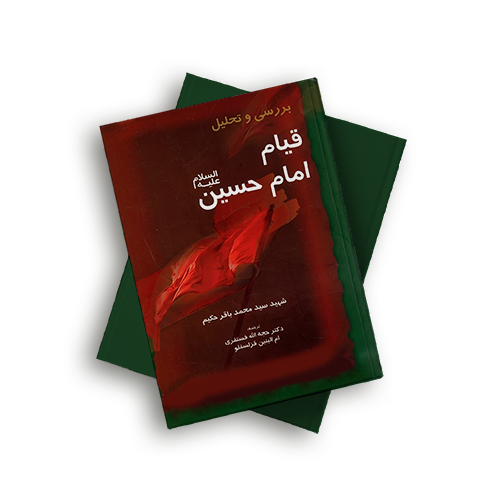
قیام امام حسین علیه السلام
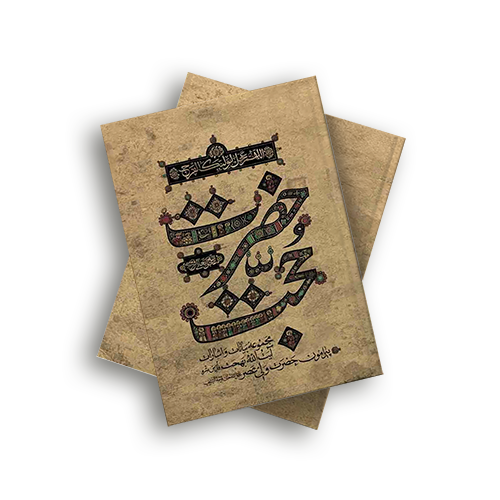
حضرت حجت
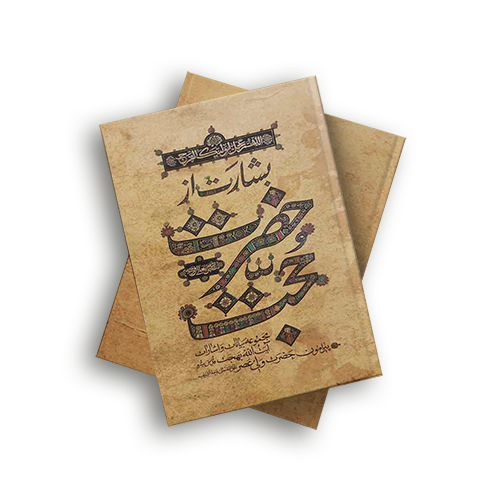
بشارت از حضرت حجت
Early Sources
The Holy Quran is the sacred scripture of Islam and the direct, revealed word of God. This divine message began in the quiet Cave of Hira on Mount Nur, where it was conveyed to Prophet Muhammad (Peace be upon him and his family) through the angel Gabriel. Muslims cherish the Quran as the final divine revelation—a living miracle that confirms Muhammad's prophethood and stands so unique in its beauty that the text itself declares no one can ever produce anything comparable to it.
Also referred to by honored names like Al‑Furqan, Al‑Kitab, and Al‑Mushaf, the scripture is beautifully organized for study and reflection. It consists of 114 chapters and more than 6,000 verses, which are divided into 30 sections (juz’) and 120 smaller parts (hizb). As you explore its pages, you will encounter profound themes ranging from monotheism and the resurrection to the lives of the prophets, ethical guidance, religious law, and the struggle against polytheism and hypocrisy.
Step into the mind of one of history’s greatest sages with Nahj al-Balagha—“The Peak of Eloquence.” This masterpiece is a breathtaking anthology of sermons, letters, and profound aphorisms attributed to Imam Ali ibn Abi Talib (Peace be upon him). Curated in the fourth century AH by Al-Sharif al-Radi, the collection reflects his impeccable literary taste, capturing the most striking and moving words of the Imam. A true global treasure, its soaring rhetoric and deep philosophical insights have transcended borders, leading to translations in 18 different languages. Its layered wisdom is so vast that scholars have penned an estimated 300 distinct commentaries and supplementary works just to unpack its meaning. Whether you seek spiritual awakening, political wisdom, or literary brilliance, this book is an unparalleled journey into eloquence.
The Sahifa Sajjadiyya is a soul-stirring collection of prayers from the fourth Shia Imam, Zayn al-Abidin Ali ibn al-Hussain (Peace be upon him). Dictated by Imam Sajjad (Peace be upon him) and carefully transcribed by his son, Imam Muhammad al-Baqir (Peace be upon him), and his brother Zayd, this text contains 54 radiant supplications that teach the heart how to converse with the Divine. First narrated by Mutawakkil ibn Harun al-Balkhi and masterfully introduced to the English world by William Chittick, it stands as the most important written legacy of the Shia faith after the Quran and Nahj al-Balagha. Affectionately known as the “Sister of the Quran” and the “Psalms of the Ahl al-Bayt,” this book offers unparalleled spiritual healing.
The Sahifa Fatimiyya is the luminous legacy of Lady Fatima al-Zahra (Peace be upon her). This captivating compilation of her surviving prayers offers far more than just words; it is a masterclass in profound monotheism (Tawhid) and the purest religious teachings.
The book is thoughtfully structured into 5 transformative sections, guiding the reader through:
- Awe-inspiring praises of God and blessings upon the Prophet and his pure family.
- Intimate prayers for navigating life’s deeply personal and communal needs.
- Supplications uniquely tailored for specific hours, days, and sacred occasions.
- Prayers that breathe spirituality into daily actions, from offering Salah to preparing for sleep.
- Her heartfelt prayers for herself and others, alongside her invocations against the enemies in this world and the hereafter.
The book’s appendix includes two sermons: one addressed to Abu Bakr and the general public at the Prophet’s Mosque, and another delivered to the women of the Muhajirun and Ansar at her home, alongside the noble Hadith al-Kisa (Narration of the Cloak).
Mafatih al-Jinan is an encyclopedic collection of prayers, whispers to the Divine, visitation texts (Ziyarat), and sacred rituals spanning the entire Islamic calendar year. Tracing its roots back to Prophet Muhammad (Peace be upon him and his family) and the Infallible Imams (Peace be upon them), this monumental guide was lovingly compiled in 1304 SH (1925 CE) by the esteemed scholar Shaykh Abbas Qumi, who dedicated his life’s work to Lady Fatima al-Zahra (Peace be upon her). It is beautifully organized into three main gateways: supplications, annual rituals, and visitation texts. Enriched further by thoughtful appendices and a special section titled Baqiyat al-Salihat (Enduring Good Deeds), this book provides a structured, inspiring path to elevating your soul every single day.
Ziyarat Ashura is a powerful and deeply moving visitation prayer dedicated to Imam Hussain (Peace be upon him) and the valiant martyrs who stood by his side. Far from an ordinary text, this prayer is a Hadith Qudsi—a sacred revelation from the Divine—passed down to us through Imam Muhammad al-Baqir (Peace be upon him) and cited in the fourth-century masterpiece Kamil al-Ziyarat. Shia Muslims recite it throughout the year, both in quiet solitude and in resonant gatherings. The constant recitation of Ziyarat Ashura is frequently emphasized in the words of the Infallibles as well as eminent religious authorities.
Tafsir al-Ayyashi is an exegesis of the Holy Quran authored by Muhammad ibn Mas’ud al-Ayyashi, a prominent Shia scholar from the era of the Minor Occultation. A contemporary of Shaykh al-Kulayni, al-Ayyashi is regarded as one of the earliest Shia exegetes. In this work, he employs a narrative-based approach to interpreting Quranic verses, with a specific emphasis on the “Verses of Rulings” (Ayat al-Ahkam). This commentary has been a vital resource for later scholars, with its narrations frequently cited in seminal works such as Tafsir al-Burhan, Bihar al-Anwar, and Fayz Kashani’s Tafsir al-Safi. Currently, only the portion of the book covering Surah al-Fatiha to Surah al-Kahf exists.
Kanz al-Ummal (The Treasure of the Doers of Good Deeds) is one of the most significant hadith repositories in the Sunni tradition. Compiled by Ala al-Din Ali al-Muttaqi al-Hindi, it is essentially a restructuring of three works by Jalal al-Din al-Suyuti—Jami’ al-Jawami’, al-Jami’ al-Saghir, and Zawa’id al-Jami’ al-Saghir—alongside the author’s own Ghayat al-Ummal. Due to the inclusion of over 3,000 hadiths narrated from the Shia Imams, the book is also held in high regard by Shia scholars. Its index is organized alphabetically, following the structural style of jurisprudential(fiqhi) manuals.
Al-Jawahir al-Saniyya by Shaykh al-Hurr al-Amili is the first work to systematically compile Hadith Qudsi in a single volume. This collection serves as an important source of divine guidance, presenting narrations that convey spiritual counsel and moral exhortation. The work is distinguished by its careful organization and scholarly approach to gathering these traditions. It contains 691 hadiths and is arranged in two chapters, presenting traditions transmitted through Shia and Sunni chains of narration.
Ghurar al-Hikam wa Durar al-Kilam is a compilation of 1,076 short sayings by Imam Ali (Peace be upon him), authored by the 5th-century scholar Abu al-Fath al-Amidi. Recognized as one of the most famous Shia hadith collections, the book organizes its hadiths alphabetically. Al-Amidi compiled these narrations of the Commander of the Faithful (Peace be upon him) from earlier works, including Nahj al-Balagha, Mi’at Kalima (by al-Jahiz), Tuhaf al-Uqul, and Dastur Ma’alim al-Hikam. Structured into 91 chapters, the book’s narrations cover a broad range of themes, encompassing theological, ethical, devotional, social, and political subjects.
Da’a’im al-Islam—whose full title is Da’a’im al-Islam wa Dhikr al-Halal wa al-Haram wa al-Qadaya wa al-Ahkam 'an Ahl Bayt Rasulillah 'Alayhi wa 'Alayhim Afdal al-Salam—is a foundational text detailing the religious beliefs and jurisprudence of the Ismaili Shia branch. The author, Qadi al-Nu’man, incorporated all chapters of Islamic jurisprudence (fiqh) into this work. The two-volume book addresses acts of worship (ibadat) and transactions (mu’amalat) from an Ismaili perspective. The first volume focuses on worship and covers eight primary subjects: faith (iman), purification (taharah), prayer (salah), almsgiving (zakat), fasting (sawm), the Hajj, and striving in the way of Allah (jihad). The second volume deals with transactions and consists of 25 sections (books): sales, oaths and vows, foods, drinks, medicine, clothing, hunting, sacrifices and aqiqah (sacrificing an animal on the occasion of a child's birth), marriage, divorce, emancipation of slaves, gifts, wills, inheritance, blood money (diyat), penal rulings (hudud), theft and banditry, apostasy and innovation, usurpation, borrowed property, found items, division and construction, testimony and evidence, and the etiquette of judges.
Al-Tawhid, also known as Tawhid Ibn Babawayh, is a hadith-based book outlining Shia theological beliefs in Arabic. It was authored by Shaykh al-Saduq, the renowned 4th-century AH hadith scholar (muhaddith), with a central focus on the oneness of God (Tawhid). To dispel accusations made by opponents regarding Shia doctrines, the author compiled narrations from the Holy Prophet (Peace be upon him and his family) concerning monotheism, the understanding of God’s essence, attributes, names, and actions, along with other significant theological discussions. Prominent scholars have heavily relied on this work, incorporating its narrations into major collections such as Allamah Majlisi’s Bihar al-Anwar, Shaykh al-Hurr al-Amili’s Wasa’il al-Shi’a, and Muhaddith al-Nuri’s Mustadrak al-Wasa’il.
Bihar al-Anwar al-Jami’ah li-Durar Akhbar al-A’immah al-Athar (Oceans of Light: A Collection of the Pearls of the Traditions of the Pure Imams), or simply Bihar al-Anwar, is the most comprehensive Shia hadith compilation in Arabic, authored by Muhammad Baqir al-Majlisi. It is widely regarded as the great encyclopedia of Shia hadith. Taking over 30 years to compile, Bihar al-Anwar is a vast repository of Shia teachings and doctrines. The author originally organized the work into 25 overarching topics across 25 volumes, which has been expanded to 110 volumes in modern printed editions. The scholarly value and credibility of Bihar al-Anwar stem from its extensive sourcing of narrations from the Shia Imams, its meticulous thematic categorization, the detailed commentary on the hadiths, and its diverse theological, historical, jurisprudential, exegetical, ethical, hadith-based, and lexical investigations.
The Quranic exegesis (tafsir) attributed to Imam Hasan al-Askari (Peace be upon him) is an early Imamiyya narrative-based commentary dating back to the 3rd century AH. The book interprets various verses, predominantly focusing on the miracles of the Prophet (Peace be upon him and his family) and the Infallible Imams (Peace be upon them). Beginning with narrations concerning the virtues of the Quran, the nature of exegesis, and the etiquette of recitation, this work was considered highly reliable among hadith scholars (muhaddithin) and jurists of the 4th and 5th centuries. The surviving text of this commentary only reaches the end of verse 282 of Surah al-Baqarah. Additionally, the book’s introduction states that Imam Hasan al-Askari (Peace be upon him) dictated this exegesis to his scribes over a period of seven years.
Al-Kafi is considered one of the most important and authentic sources of Shia hadith. Muhammad ibn Ya’qub ibn Ishaq, famously known as al-Kulayni, spent 20 years compiling this monumental work. As one of the core “Four Books” (Al-Kutub al-Arba’ah) of Shia Islam, it is structured into three main sections: Usul (theological principles), Furu’ (jurisprudential rulings), and Rawdah (containing miscellaneous hadiths). In gathering these traditions, the author strictly adhered to the criteria that the hadiths must not contradict the Quran and must align with the consensus of scholars. Al-Kulayni, honored with the title Thiqat al-Islam (Trust of Islam), was a preeminent Shia scholar during the Minor Occultation (Ghaybat al-Sughra). During his lifetime, he met and interacted directly with hadith scholars (muhaddithin) who had heard narrations—without any intermediaries—from Imam al-Hadi or Imam Hasan al-Askari (Peace be upon them).
Nawadir al-Rawandi, a work by Sayyid Fadlallah ibn Ali ibn Abdallah al-Rawandi, comprises ethical and jurisprudential narrations transmitted by the Infallible Imams (Peace be upon them) from Prophet Muhammad (Peace be upon him and his family). Essentially, Al-Nawadir is a selection and summary of Al-Ja’fariyyat by Muhammad ibn Ash’ath al-Kufi. The author, a 6th-century AH scholar, was a student of Shaykh al-Tabarsi. He was also a man of letters and a poet, leaving behind a Diwan (collection of poetry). The majority of the hadiths in this book focus on ethics and jurisprudence, which can be broadly summarized into the following chapters: Knowledge, Faith and Disbelief, Purification, Prayer, Jihad, Almsgiving (Zakat), Fasting, Penal rulings (Hudud), Marriage, and the Etiquette of Social Interaction (Adab al-'Ishrah).
Sahih Muslim is one of the six major hadith collections (Kutub al-Sittah), compiled by Muslim ibn al-Hajjaj al-Nayshaburi. This book, a collection of the hadiths, sayings, and actions of the Prophet (Peace be upon him and his family), is considered the second most authentic hadith compilation among Sunni scholars, after Sahih al-Bukhari. It contains over 4,000 Prophetic hadiths, of which 62 narrations detail the virtues of the Ahl al-Bayt (Peace be upon them). The work is also known by several other titles, including Al-Musnad al-Sahih al-Mukhtasar min al-Sunan bi-Naql al-'Adl 'an al-'Adl 'an Rasulullah (Peace be upon him and his family), Al-Jami’ al-Sahih, Al-Musnad al-Sahih, and simply Al-Musnad.
Ilm al-Yaqin fi Usul al-Din (The Knowledge of Certainty in the Principles of Religion) is one of the finest theological works authored by Fayd al-Kashani. In this book, the author introduces a novel approach to presenting theological topics based on Quranic concepts. He articulates these discussions around the descending and ascending arcs of existence (inspired by the verse, “Indeed we belong to Allah, and indeed to Him we will return”). The book is organized into four main sections: Knowledge of God, Knowledge of the Angels, Knowledge of the Books and Messengers, and Knowledge of the Last Day. Each of these sections is further divided into multiple chapters.
Uddat al-Da’i—whose full title is Uddat al-Da’i wa Najah al-Sa’i (The Asset of the Supplicant and the Success of the Striver)—is an Arabic book authored by Ahmad ibn Muhammad Fahd al-Hilli, focusing on supplications and ethics. The author organized the work into six chapters, addressing the nature of supplication, the supplicant, the manner of praying, the remembrance of God (Dhikr), and the Beautiful Names of Allah (Asma’ al-Husna). In each chapter, he compiled the relevant hadiths. Ahmad ibn Fahd al-Hilli later summarized this work under the title Nubdhat al-Baghi fi ma la Budda minhu min Adab al-Da’i.
Tafsir al-Safi is a renowned work by Muhammad Husayn Fayd al-Kashani, a prominent Imamiyya Quranic exegete, who utilized a narrative-based (riwa’i) method of interpretation. This commentary encompasses theological, mystical, and literary discussions; the author later summarized it in his work Tafsir al-Asfa. Fayd al-Kashani’s primary motivation for writing this exegesis was to distill and separate authentic content and narrations from unreliable or “murky” ones (hence the title al-Safi, meaning “pure” or “clear”). In this book, he sets forth twelve introductions to lay the groundwork for his commentary. To compile this extensive work, Fayd al-Kashani drew upon more than 38 volumes of hadith collections and earlier exegeses.
Ma’ani al-Akhbar is a book centered on Fiqh al-Hadith (the deeper understanding of hadith), representing the hadith school of Qom. It was authored in the 4th century AH by the celebrated Shia hadith scholar, Shaykh al-Saduq. The book contains a collection of narrations from the Holy Prophet and the Infallible Imams (Peace be upon them) aimed at explaining five hundred Quranic, narrative, theological, and jurisprudential terms. It encompasses over 800 hadiths organized into 429 chapters. Recognized as one of the most reliable primary narrative sources in Shia Islam, its contents have been heavily utilized in major compendiums such as the “Four Books” (Al-Kutub al-Arba’ah), Bihar al-Anwar, and Wasa’il al-Shi’a.
Al-Kharaij wa l-Jaraih was written by Qutb al-Din al-Rawandi and details the miracles of the Prophet and the Infallible Imams (Peace be upon them). Its unique features include a diverse presentation of miracles, discussions on the signs of the advent of Imam Mahdi (Peace be upon him), the omission of hadith introductions, and abbreviated narrator names. The work has drawn the attention of both Shia and Sunni scholars. It contains 20 chapters compiled into three volumes. The author explains the reason for naming his book Al-Kharaij wa l-Jaraih as follows: “The miracles performed by their hands substantiate the truth of their claims, as they verify the veracity of their words.”
Misbah al-Shari’a wa Miftah al-Haqiqa is an Arabic book attributed to Imam Ja’far al-Sadiq. It is a work on ethics that masterfully explains the subtleties of spiritual knowledge, the secrets of truths, moral refinements, the stages of spiritual journeying, and the characteristics of the levels of faith across 100 chapters. The first narration in this book concerns the path to reaching the station of God’s proximate servants and true saints. The narration begins by detailing the four-fold divisions of interaction: interaction with God, interaction with the self, interaction with people, and interaction with the world, each of which is further divided into seven pillars.
Sharh al-Kafi (Al-Usul wa al-Rawdah) by Mulla Muhammad Salih Sarwi Mazandarani, authored in the 11th century AH, is an Arabic commentary on the hadiths of Al-Kafi. The motive behind its compilation was to provide a suitable commentary for a better and more complete understanding of the luminous traditions of the Ahl al-Bayt (Peace be upon them). Mulla Salih Mazandarani’s commentary is an extensive and interwoven exposition, considered one of the best and most useful commentaries on Al-Kafi. In this work, the material is presented to the reader in the best and simplest manner, yet with firm and robust phrasing, offering maximum benefit in explaining the text’s meaning. The book is publicly available in twelve volumes, covering the commentary on Usul al-Kafi and its Rawdah (Miscellany).
The book Al-Irshad fi Ma’rifat Hujaj Allah 'ala al-'Ibad is a highly valued work by Shaykh al-Mufid concerning the biographies and history of the infallible Imams (Peace be upon them). Despite its brevity, this book contains most of the important historical events that occurred during the lifetimes of the Infallibles (Peace be upon them). It serves as the documentary basis for most subsequent sources and is considered the most important reference on the subject of Imamate. In this book, Shaykh al-Mufid also highlights the virtues of the Ahl al-Bayt (Peace be upon them) and their companions. He authored his book like a historical text, focusing on historical events. He has presented the content with references, which have increased the value and credibility of the book.
Al-Khisal is an Arabic book compiled by Shaykh al-Saduq, containing narrations related to ethical and doctrinal issues. Saduq categorized these narrations based on the numbers mentioned within the hadiths. Al-Khisal is the first book written in this style. After studying the works of preceding scholars, Shaykh al-Saduq realized that the relationship between numbers and commendable or reprehensible traits had been neglected, which prompted him to compile this book. Despite its small volume, Al-Khisal is a vast encyclopedia of Islamic knowledge and the laws of halal (permissible things) and haram (forbidden things), touching upon historical discussions, Quranic exegesis, philosophical points, and political matters.
Makarim al-Akhlaq was written by Hasan ibn Fadl al-Tabarsi, a Shia scholar of the 6th century AH, focusing on Islamic etiquette and ethics. The morals and attributes of the Prophet (Peace be upon him and his family), personal and social ethics, the etiquette of supplication, and the etiquette of travel are among the most important topics in this book. It has been published in various countries, including Egypt. Makarim al-Akhlaq consists of 12 chapters, detailed as follows: the morals and attributes of the Prophet (Peace be upon him and his family); hygiene and cleanliness in Islamic ethics; the etiquette of bathing; nail hygiene and hair grooming; grooming customs and methods for Muslim men and women; characteristics of Islamic clothing and housing; the etiquette of eating and drinking; marriage-related matters; travel etiquette; the etiquette of supplication and its prime times; conduct with the sick and related issues; and finally, miscellaneous matters regarding individual and social ethics and rights.
Al-Luhuf 'ala Qatla al-Tufuf or Al-Malhuf 'ala Qatla al-Tufuf, commonly known as Luhuf, is one of the most famous Shia Maqtal (narratives of martyrdom) regarding the tragedy of Ashura and the martyrdom of Imam Hussain (Peace be upon him). Written in Arabic by Sayyid ibn Tawus, this book was authored for travelers to the holy shrines (Atabat) and pilgrims of Imam Hussain (Peace be upon him). Sayyid ibn Tawus is the first to explain the uprising of Imam Hussain (Peace be upon him) based on mystical martyrdom. The fame and status of Luhuf have led to its numerous Persian translations and its publication by various publishers in cities such as Tehran, Sidon, Beirut, Mumbai, Najaf, Qom, and Tabriz.
Al-Wafi, a work by Fayz Kashani, is a hadith collection containing the traditions of the Four Books of the Shia and is the first comprehensive hadith compilation of the later period. This book features 50,000 hadiths organized into 273 chapters. Based on the critiques made against the four main hadith books, Fayz Kashani attempted not only to gather the narrations but also to arrange them in a new order, explain the vocabulary, proverbs, and analogies, and cite relevant narrations for each chapter from other books. Al-Wafi is considered the greatest and most important work of Fayz Kashani, and some refer to it as a Shia encyclopedia.
Al-Ihtijaj 'ala Ahl al-Lijaj, known as Al-Ihtijaj, is a theological book written in Arabic. Abu Mansur Ahmad ibn Ali ibn Abi Talib al-Tabarsi, a 6th-century AH scholar, is the author of this book. This work presents the arguments and debates of the Holy Prophet and the Infallibles (Peace be upon them), and some of their followers. These debates have multiple translations and commentaries, and many great scholars rely on them. In the introduction to Al-Ihtijaj, Tabarsi explains his motivation for writing this book: “What prompted me to author such a book was that some Imamiyya Shias have abandoned reasoning and debate with opponents, claiming it is not permissible for us because the Prophet and the Imams (Peace be upon them) never argued and did not permit the Shia to do so. Therefore, I decided to compile the debates of great figures with opponents regarding the principles and branches of religion into one book.
Al-Amali is an Arabic book authored by Shaykh al-Saduq. This book is the result of multiple sessions dictated by Shaykh al-Saduq to his students, who transcribed them. Shaykh al-Saduq compiled this book over 97 sessions spanning 13 months. It contains a collection of hadiths from the Prophet and the Ahl al-Bayt (Peace be upon them) on various topics such as biography, the event of Isra and Mi’raj, supplications, sermons, and the virtues and merits of the Infallibles, encompassing historical, ethical, and theological subjects.
Sa’d al-Su’ud li al-Nufus Mandhud” is a work by Radhi al-Din Abu al-Qasim Ali, famously known as Sayyid ibn Tawus, one of the prominent Shia scholars buried in the shrine of Imam Ali (Peace be upon him) in Najaf. This book is a catalog of the books in Ibn Tawus’s library, of which only the section related to the Quran and its exegeses has survived. The book discusses the compilation of the Quran, the exegesis of certain verses, and Quranic challenges, citing various exegeses and the sayings of great scholars regarding the verses of the Holy Quran. It consists of two parts, each containing multiple chapters. In each chapter, the author quotes material from one of the books in his library, mentioning the specific details of the manuscript, volume, and page.
Mawsu’at Kalimat al-Imam al-Husayn (Peace be upon him) is an Arabic book about Imam Hussain (Peace be upon him), compiled and prepared by a group of researchers from the Baqir al-Ulum Research Institute, affiliated with the Islamic Propagation Organization. They strove to gather and organize all the surviving narrations of Imam Hussain (Peace be upon him) mentioned across various sources into a single work. The book is composed of two parts: the first part contains the sayings of Imam Hussain (Peace be upon him) in chronological order, and the second part categorizes his sayings based on subjects such as religious belief, rulings, ethics, supplications, and poetry.
The book Al-Fiqh al-Mansub li al-Imam al-Ridha (Peace be upon him), commonly known as Fiqh al-Ridha, is attributed to Imam Ridha (Peace be upon him) and contains a collection of narrations on jurisprudential topics in the form of fatwas (religious edicts). This book was not widespread among scholars before Allamah Majlisi. He included this book in Bihar al-Anwar and cited it as a reference. After Allamah Majlisi, Mirza Abdullah Afandi (author of Riyad), Seyyed Mujahid (author of Mafatih al-Usul), Shaykh Bahrani, Fadil Kashani, and Muhaqqiq Naraqi also endorsed this book and transmitted its narrations in their works.
Ithbat al-Hudah bi al-Nusus wa al-Mu’jizat was authored by the Shia hadith scholar (muhaddith), Shaykh al-Hurr al-Amili (d. 1104 AH). This book details the biographies and proofs of the Imamate and Wilayah of the Infallibles through transmitted narrations and miracles performed by them. The author structured the book into 35 sections, each containing sub-chapters. The book Ithbat al-Hudah is divided into 35 chapters: the first five cover generalities regarding the authority of transmission and discussions about the news and narrations of the Infallibles (Peace be upon them). The sixth and seventh chapters address general texts on Prophethood and Imamate. The eighth and ninth chapters contain reports proving the prophethood of the Prophet (Peace be upon him and his family) and his miracles. Chapters 10 to 34 are dedicated to the reports of the Imamate and the miracles of each of the infallible Imams (Peace be upon them), and chapter 35 refutes extremism (Ghuluww).
Rawdhat al-Wa’izin wa Basirat al-Mutta’izin, referred to in some sources as Rawdhat al-Wa’izin wa Tabsirat al-Mutta’izin, was written by Fattal al-Nayshaburi. This book concerns the history and virtues of the Infallibles (Peace be upon them), as well as sermons and ethics, and according to the author himself, it covers the principles and branches of religion, asceticism, and preaching. Like the Amali books, it is organized into 96 sessions. These sessions are sometimes detailed (like the second session) and sometimes brief (like the nineteenth), depending on the topic. The final chapter is about Hell and its nature, beginning with Quranic verses, and its last narration is from Ibn Abbas concerning the gates of Hell and its punishments. The concluding section features poetry about the Day of Judgment and the state of sinful humans before the Lord.
Amali al-Murtadha is an Arabic book authored by Sayyid al-Murtadha. Over 80 sessions, the author interprets ambiguous and complex Quranic verses and explains hadiths with difficult wording or meanings. The verses selected and interpreted by Sayyid al-Murtadha are mostly instances that have not been discussed in other books. Scholars of hadith know it by the name Amali al-Murtadha, but in ancient catalogs, it is called Al-Ghurar wa al-Durar. This book is also known by other titles, including Al-Amali fi al-Tafsir, Ghurar al-Fawa’id wa Durar al-Qala’id, Al-Tafsir, Majalis al-Ta’wilat, and Majalis Kashf al-Ayat.
Al-Ghaybah is a book by Shaykh Tusi written about the occultation of the Imam of the Time (May Allah hasten his noble reappearance) and is one of the most important sources for knowing the Imam and refuting doubts regarding the Major Occultation. This book consists of 8 chapters. The total number of narrations in Al-Ghaybah is 478, organized into 26 sections, with the number of narrations in each section varying significantly. The sections of this book are categorized into three parts: the introductory sections cover the foundations and era of the occultation, the middle sections discuss the era of the advent of Imam Mahdi (Peace be upon him), and the final sections address the signs of the advent.
The book Mukhtasar al-Basa’ir, in Arabic, authored by Hasan ibn Sulayman al-Hilli, an 8th-century AH Shia scholar, is a selected summary of Basa’ir al-Darajat by Sa’d ibn Abdullah al-Ash’ari al-Qummi, a 3rd-century AH Shia scholar. In this book, the author discusses the virtues and characteristics of the infallible Imams (Peace be upon them) and knowing them. Mukhtasar al-Basa’ir contains 580 narrations structured into 9 chapters and 6 overarching themes.
The book Mawsu’at al-Imam Ali ibn Abi Talib is a collaborative work by Mohammad Kazem Tabatabaei, Mahmoud Tabatabaei, and a large group of scholars and intellectuals. It discusses Imam Ali (Peace be upon him) thematically, with each volume exploring a number of topics related to the Imam and presenting the hadiths for each topic. This work comprises twelve volumes, each containing several chapters. Mawsu’at al-Imam Ali ibn Abi Talib is considered a comprehensive and suitable resource for research and study concerning Amir al-Mu’minin, Ali (Peace be upon him).
Al-Mahasin is one of the Shia hadith books authored by Ahmad ibn Khalid al-Barqi, in which he compiled a collection of narrations on various subjects, including jurisprudence (fiqh) and ethics. Some Shia scholars have considered this work to be on par with the Four Books. It is one of the most important sources for Al-Kafi by Thiqat al-Islam Kulayni, Man La Yahdhuruhu al-Faqih by Shaykh Saduq, and Al-Sara’ir by Ibn Idris al-Hilli. The original book consisted of approximately 100 sections; currently, only a part of it is accessible, containing over 2,600 hadiths.
The Exegesis of Ali ibn Ibrahim al-Qummi is one of the ancient exegeses and most renowned exegetical sources of the Imamiyya, which has compiled exegetical narrations using the transmitted (Ma’thur) exegesis method. This exegesis does not merely gather narrations; rather, verses and words are interpreted without clear attribution to narrations, the circumstances of revelation (Shan al-Nuzul) for verses are explained in detail, and the stories of the prophets, events of the Prophet’s (Peace be upon him and his family) time, and jurisprudential discussions make up a vast portion of the book. The book is organized into two volumes. The first volume contains the exegesis of 16 Surahs (from the beginning of Surah Al-Fatihah to the end of Surah An-Nahl), and the second volume encompasses the exegesis of 98 Surahs (from the beginning of Surah Al-Isra/Bani Isra’il to the end of Surah An-Nas).
Al-Burhan fi Tafsir al-Quran is one of the most important Shia transmitted (narrative) exegeses, authored by Sayyid Hashim Bahrani. In this exegesis, the author points to jurisprudential topics, stories, Prophetic hadiths, and the virtues of the Ahl al-Bayt (Peace be upon them) in correlation with the verses of the Holy Quran. Like other narrative exegeses in this regard, it does not critique or explain the narrations, nor does it add its own commentary; rather, it quotes from books such as those by Shaykh Rajab al-Bursi, Jami’ al-Akhbar, and the exegesis attributed to Imam Hasan al-Askari (Peace be upon him). Its narrative sources exceed 58 titles.
Kashf al-Ghummah fi Ma’rifat al-A’immah is an Arabic book on the biographies, virtues, and miracles of the Fourteen Infallibles (Peace be upon them), written by Ali ibn Isa al-Irbili, a Shia religious scholar. The author wrote the book with the motivation of clarifying their righteousness against the enemies of the Ahl al-Bayt (Peace be upon them) and countering those who exaggerate the status of the infallible Imams (Peace be upon them). In his compilation, he prioritized the use of Sunni sources over Shia sources. The book is organized into two parts and lacks specific chapter and section divisions, but all its content, following the author’s introduction, is presented under sixteen broad headings.
Al-Irshad fi Ma’rifat Hujaj Allah 'ala al-'Ibad, famously known as Al-Irshad, is an Arabic book about the life history of the Shia Imams (Peace be upon them), written by Shaykh al-Mufid, one of the prominent Shia theologians and jurists. Shaykh al-Mufid compiled this book based on the narrations available to him. The book Al-Irshad consists of two parts, the majority of which is dedicated to the biography and virtues of Imam Ali (Peace be upon him), the life of Imam Hussain (Peace be upon him), and the tragedy of Karbala. In this book, Shaykh al-Mufid also highlights the virtues of the Ahl al-Bayt (Peace be upon them) and their companions.
Nur al-Thaqalayn is a narrative exegesis written in Arabic, authored by Abd Ali ibn Jumu’ah al-Huwayzi (or al-Huwazi), a 12th-century AH Shia jurist (faqih) and hadith scholar. This collection gathers 13,422 hadiths. Since this book encompasses verses (the Greater Thaqal) and narrations (the Lesser Thaqal), it was named Nur al-Thaqalayn (The Light of the Two Weighty Things), adapting the Hadith of Thaqalayn which is accepted by all Muslims. The exegesis of Nur al-Thaqalayn provides an index at the end of each volume based on the interpreted Quranic passages.
Al-Jami’ al-Sahih wa huwa Sunan al-Tirmidhi, a work by Abu Isa Muhammad ibn Isa ibn Sawrah, researched by Ahmad Muhammad Shakir, is one of the six famous hadith books among Sunnis, known as the “Sihah al-Sittah” (The Authentic Six), written in Arabic. The name of this book has been cited in various forms, including: Jami’ al-Tirmidhi, Al-Sunan, Jami’, Sahih al-Tirmidhi, and Al-Jami’ al-Kabir. The book begins with a detailed introduction by the researcher, and its contents are organized into six volumes. It contains approximately five thousand hadiths.
Kamal al-Din wa Tamam al-Ni’mah, commonly known as Ikmal al-Din of Saduq, authored by Shaykh al-Saduq, is an Arabic book regarding the occultation and advent of the Imam of the Time (May Allah hasten his noble reappearance). In this book, Shaykh al-Saduq provides numerous examples of the occultation of divine prophets and thoroughly examines the Imamate of Mahdi (Peace be upon him), his birth, the narrations of the Prophet of Islam and the pure Imams (Peace be upon them) regarding his reappearance, those who have met him, and the conditions of the era of his reappearance. This book is divided into two main parts and an introduction. The introduction, which comprises more era of his reappearance. This book is divided into two main parts and an introduction. The introduction, which comprises more than a fifth of the book, departs from a narrative framework and takes the form of a theological discussion. The main content of the book, however, is broadly organized into twenty chapters.
Majma’ al-Bayan fi Tafsir al-Quran, in Arabic, was written by Abu Ali Fadl ibn Hasan al-Tabarsi, one of the great Shia scholars of the 6th century AH. The book is organized into ten volumes. This exegesis is utilized by both Shia and Sunni scholars and includes topics such as recitation, grammatical inflection (I’rab), vocabulary, clarification of difficulties, rhetorical meanings and expressions, circumstances of revelation (Shan al-Nuzul), narrations related to the verses, and the explanation of stories and parables. It is said that Tabarsi is one of the rare Shia exegetes who paid close attention to the science of correlations (Munasabat) between verses.
Qurb al-Isnad is one of the ancient Imamiyya narrative books authored by Abdullah ibn Ja’far al-Himyari, a Shia scholar of the 3rd and 4th centuries AH. Qurb al-Isnad refers to works wherein the hadith scholar narrates hadiths through the shortest chain of transmitters back to an infallible Imam. The objective of this book is to present chains of transmission that have the shortest distance to the Imams (Peace be upon them). The 1,300 hadiths cited in this book are exclusively related to Imam Sadiq, Imam Kazim, and Imam Ridha (Peace be upon them). The content of this work covers chapters such as ritual purity, prayer, fasting, alms (Zakat), and the Hajj.
Al-Mizan fi Tafsir al-Quran (commonly known as Tafsir al-Mizan) is one of the most comprehensive and extensive Arabic commentaries on the Quran. It was authored by the renowned Islamic scholar Sayyid Muhammad Husayn Tabataba’i (1904–1981). Following the traditional order of the Quran’s chapters and verses, Al-Mizan is highly celebrated for its unique methodology: interpreting the Quran through the Quran itself. This means explaining the meaning of a verse by comparing and connecting it with other verses. Because of its intellectual fairness, precise accuracy, and philosophical depth, Al-Mizan is deeply respected by both Shia and Sunni scholars, establishing itself as one of the most trusted resources in Islamic studies. Its publication has inspired hundreds of academic books, articles, and university dissertations worldwide.
Safinat al-Bihar wa Madinat al-Hikam wa al-Athar ma’a Tatbiq al-Nusus al-Waridah fiha 'ala Bihar al-Anwar, famously known as Safinat al-Bihar, is one of the Shia hadith collections written by Shaykh Abbas Qummi. With the aim of providing a thematic index arranged alphabetically, the author categorized the hadiths of Majlisi’s Bihar al-Anwar into more than 1,700 subjects. In the book’s introduction, Qummi states his motivation for writing this compilation was that many topics in Bihar al-Anwar were not mentioned in their appropriate places; hence, he authored this collection to assist researchers in reaching their desired topics.
Tuhaf al-Uqul 'an Al al-Rasul was written by Abu Muhammad Hasan ibn Ali ibn Husayn ibn Shu’bah al-Harrani, one of the great Shia scholars and jurists (faqih) of the 4th century AH. Some have recorded the book’s title as Tuhaf al-Uqul fima Ja’a min al-Hikam wa al-Mawa’iz min Al al-Rasul. The author’s goal in this book was to gather a selection of hadiths from the Ahl al-Bayt (Peace be upon them) and divine prophets, centering on sermons, wisdom, and advice. The author dedicated a chapter to the sayings of the Prophet (Peace be upon him and his family) as well as each of the Shia Imams, presenting the hadiths narrated by them in their respective sections. Sermons from past prophets are also cited in the concluding chapters of the book.
Al-Ikhtisas, written in Arabic, contains a collection of narrations from the infallible Imams (Peace be upon them) regarding theological and ethical matters, among others. Abu Abdullah Muhammad ibn Muhammad ibn Nu’man al-Ukbari al-Baghdadi, titled Shaykh al-Mufid, is the author of this book. The book lacks formal chapter and section divisions, but after the sermon and introduction, the author presents all his material under seventeen different headings. The book Al-Ikhtisas does not have a single overarching theme, a point the author notes in the introduction.
'Aqd al-Durar fi Akhbar al-Muntazar is an Arabic book written by Yusuf ibn Yahya ibn Ali ibn Abd al-Aziz al-Maqdisi al-Shafi’i al-Sulami, a 7th-century scholar. This work is a narrative collection regarding the promised Mahdi (May Allah hasten his noble reappearance) and his physical, spiritual, and ethical characteristics, as well as the signs preceding his advent and the era following it. In the introduction, the author cites the corruption of the era and times, the despair and hopelessness of his peers and contemporaries regarding the reform of affairs, the proliferation of seditions and destructive forces, the loss of blessings, the public display of sins, and the hope that it is now time for the uprising of Imam Mahdi (May Allah hasten his noble reappearance) as his reasons for writing.
Ilzam al-Nasib fi Ithbat al-Hujjah al-Gha’ib is an Arabic theological book by Ali ibn Zayn al-Abidin Yazdi Ha’iri, detailing the conditions of Imam Mahdi (May Allah hasten his noble reappearance) and proving his existence using rational arguments and widely transmitted (Mutawatir) hadiths. In this book, in addition to the virtues of the infallible Imams (Peace be upon them), the author explains the Minor and Major Occultations, his specific and general deputies, the signs of his advent, and the events following the advent. The book spans two volumes and includes ten chapters. Relying on verses of the Holy Quran and hadiths, as well as the statements of Shia and Sunni scholars, the author discusses general issues related to Mahdaviyat, considering the existence of the Imam and his advent to be definite and certain.
A collection of narrations from the Ahl al-Bayt (Peace be upon them) regarding jurisprudential issues and religious rulings is compiled in the book Man La Yahdhuruhu al-Faqih, authored by Shaykh al-Saduq, Abu Ja’far Muhammad ibn Ali ibn Husayn ibn Babawayh al-Qummi. This book, which is a hadith compilation, was written in response to a request from a Shia residing in Balkh, with the objective of gathering authentic and reliable hadiths to answer the religious needs of those who do not have access to a jurist (faqih). The book Man La Yahdhuruhu al-Faqih is considered the greatest and most important work of Shaykh al-Saduq.
These aren't just books on a shelf;
they are the very heartbeat of the Self-Knowledge School.
If you’re ready to dive beneath the surface and touch the roots of existence, let these works be your compass toward growth, life, and the infinite