
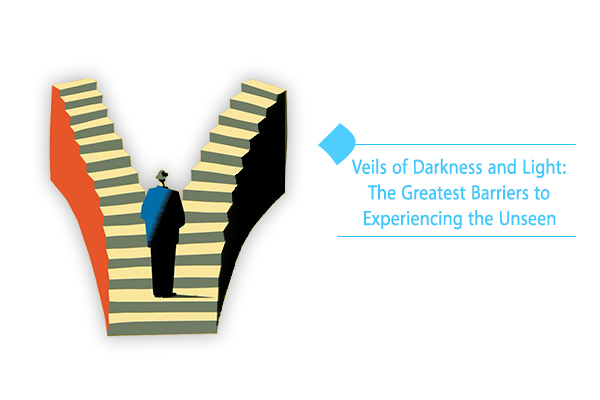
What Is Meant by Veils of Darkness and Veils of Light?
I have been praying for years, yet I find no joy in it!
It’s been years that I wake up in the middle of the night for worship, but I still haven’t gained anything from it!
I have immersed myself in spiritual and mystical studies for years, but my heart has not yet become restless and yearning for God and the unseen world!
Perhaps you have faced similar challenges in your spiritual journey and wonder why, despite long hours of worship, visiting the shrines of the Ahl al-Bayt (Peace be upon them), being trained by mentors, and enduring heavy austere practices , we still feel imprisoned in our physical bodies and lack a connection to the Unseen. Meanwhile, some people become so close to God, angels, and the inhabitants of Malakut (the realm of ideas) that all the doors of heaven open to them. What truly prevents us from establishing a loving relationship with God and the heavenly beings? Have you ever heard about the “veils of darkness and veils of light”?
In previous lessons, we discussed the concept of Malakut and learned that the world, like other phenomena, has a hidden essence and a divine aspect that causes its existence, envelops it, and governs it. If Malakut’s support were to be removed from the world for even a moment, the world, despite its grandeur, would collapse. This divine realm, along with all its aspects and truths, is referred to in the Quran as the “Unseen World.” The unseen world cannot be perceived through the five senses; however, since our hearts and souls are of the same essence, they can easily connect with it, leading to an indescribable sense of security and peace.
Usually, there is much discussion about the skills needed to access the Unseen and effective methods for establishing this connection. However, less is said about the obstacles that exist in this regard, while the first step in the human journey and establishing a relationship with God and the unseen world is knowing the barriers and veils on this path. Typically, each of us in the path of self-knowledge and human growth encounters two categories of veils: the veils of darkness and the veils of light. Until we pass through these veils, attending classes and engaging in good deeds will have no effect on the quality of our relationship with God and the unseen world, and in the long run, it may even lead to a hardened heart.
If you wish to learn more about the veils of darkness and the veils of light and improve your relationship with God and the unseen world, join us. In this article, we aim to discuss the veils of darkness and the veils of light in detail, which are the most significant obstacles to connecting with the Unseen.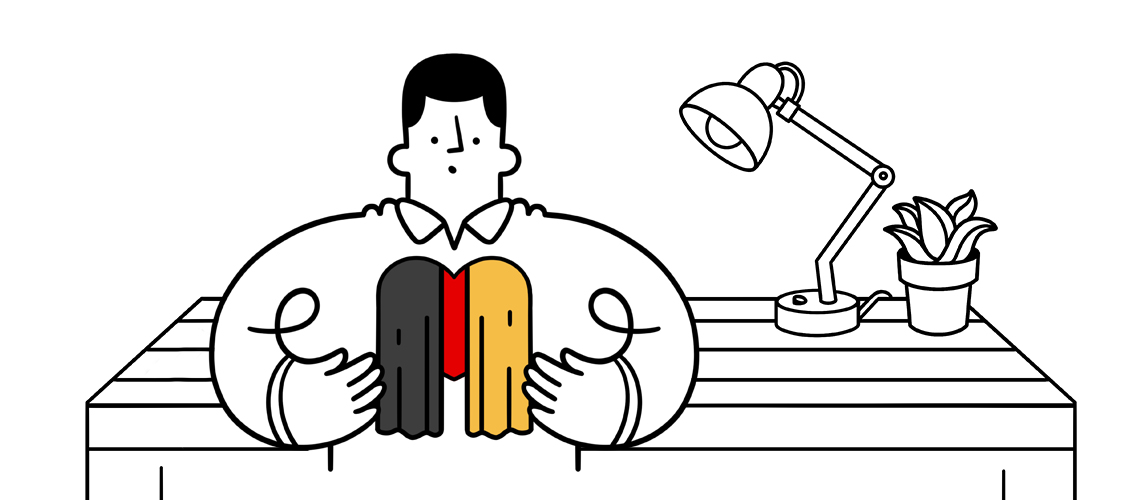
Obstacles to Establish a Relationship with the Unseen: The Veils of Darkness
Both the veils of darkness and the veils of light create distance between us and God, preventing us from perceiving the truths. However, identifying the veils of darkness is usually easier because the dust they leave on the heart is more apparent than that of the veils of light. Veils of darkness typically arise from Satan’s attacks from the front, back, and left. The frontal attack involves unnecessary worries that create fear and anxiety about the future. The attack from behind brings up past mistakes, failures, and grievances. The attack from the left consists of temptations that ultimately lead us to stray from the straight path and commit sins.
Among these, sins often play a larger role in creating heartaches, and the most significant examples of veils of darkness are these sins and moral vices. Sin darkens the heart and closes the path to God. Therefore, no matter how much we strive and perform good deeds, we cannot establish an effective relationship with God and the unseen world. If, despite engaging in mystical studies, listening to spiritual discussions, performing mustahab (recommended) acts, and doing good deeds, we still feel sadness and depression inside and do not enjoy our worship, it means we have committed a sin somewhere. Sometimes, a single act of bad behavior, neglecting parents, breaking someone’s heart, or even being cruel to plants and animals can waste decades of our efforts and hinder our progress on our spiritual journey.
In general, sins are divided into two categories: bodily sins and heart sins. Bodily sins are those committed through our body and physical actions and significantly hinder individuals on their spiritual journey, such as drinking alcohol, adultery, gambling, hitting others, spending ill-gotten (haram) wealth, gossiping, and similar acts. Among bodily sins, nothing slows down progress and halts movement as much as using ill-gotten wealth, as it opens the door to other sins. Thus, even if someone is engaged in good deeds and fulfilling obligations or has been directly taught by the Prophet and the infallible Imams (Peace be upon them), they will not be safe from the negative effects of ill-gotten (haram) earnings.
The other category is heart sins, which have far more destructive effects than bodily sins, and the hell resulting from them is longer and harsher. This is because the essence of our existence is our heart, and if it undergoes transformation due to sin, it is not easily treatable. Therefore, as long as traits like greed, arrogance, envy, resentment, and irritability exist in our hearts, we cannot expect to establish an effective relationship with the unseen and God, and consequently, we will not enjoy our worship. Just as our bodies do not strengthen when sick until the infection is gone or the virus is expelled, our souls also weaken and become ill due to sin, preventing us from experiencing the taste of connecting with the unseen, even if we learn from the best mentors or perform the highest acts of worship.
Obstacles to Establishing a Relationship with the Unseen: The Veils of Light
You might find it surprising, but the obstacles to establishing a relationship with the Unseen are not limited to sins and forbidden matters; often, intellective virtues, acts of worship and works with sacred forms can create as much distance between us, God, and the unseen world as sins, or even more. These types of obstacles are called the veils of light. One of the most significant veils of light is arrogance and self-importance, which is particularly common among religious individuals and those with high intellective and scientific perfections. This issue stems from Satan’s attack from the right side. In this type of attack, Satan reminds individuals of their virtues, leading them to fall into the trap of self-admiration, to the point where they believe they are the cause of their own achievements and even feel entitled to demand from God!
The mere sacredness of an act does not mean it is good. A good and righteous act is one that fosters growth and development, and the first step in the path of growth is increasing our capacity and expansiveness. We can never fit two liters of water into a one-liter container because it lacks the capacity, and it will overflow. The same applies to virtues. Before acquiring any perfection, especially intellective perfections like knowledge and supra-rational perfections like night prayers, pilgrimage, and visiting the shrines of the Ahl al-Bayt (Peace be upon them), we must first create the necessary capacity within ourselves to receive that perfection; otherwise, the light of that perfection will turn into fire and gradually distance us from God, the purpose of creation, the infallible Imams (Peace be upon them), angels, and, in general, the unseen and Malakut. Many individuals who prioritized academic positions over fighting in the military jihad‘s frontlines during the Sacred Defense, under the pretext of the value of knowledge, fell into this trap.
In general, Satan operates very subtly in his attack from right, causing our priorities to become distorted and leading us to choose a good action over a better one!
In this article, we discussed the most significant obstacles to connecting with the Unseen, namely the veils of darkness and the veils of light, stating that veils of darkness are the sins and moral vices that, when we fall into them, close the path to the unseen.
We also introduced the veils of light, explaining that it is not only forbidden actions that hinder our connection with the Unseen; often, the good and sacred deeds we perform can also pose risks and damage our relationship with the Unseen.
Which of the veils of darkness and veils of light have you encountered more in your spiritual journey? What other examples of veils of darkness and veils of light come to your mind? Share with us!