
Can It Be Proven That Patience and a Sound Heart Are Interconnected?
Human life is constantly embroiled in pressures, hardships, and temptations. No one can escape this reality. In this chaos, everyone seeks a magical formula and an enchanting solution to gain immense strength to endure difficulties. Some resort to tranquilizers, others see the solution in continuous and frequent visits to psychotherapists, while some distract themselves with parties, meditation techniques, social gatherings, and temporary, fleeting joys, whereas the solution to this enigma is something else entirely.
We cannot escape the truth of matters and delude ourselves with temporary and transient solutions because the core issue remains, and nothing changes; we have merely swept the problem under the rug. In reality, we have no option but to accept reality and learn the skill of how to confront life’s realities.
A hidden truth, less often addressed, is that God, during the creation of human beings, breathed His Spirit into us and entrusted a divine breath in us—an entrusted gift called the heart, spirit, or soul. This placed upon us the duty to deliver our heart, sound and mature, to God after leaving this world.
Protecting and caring for the heart amidst the world’s problems, hardships, and temptations is like holding a fragile and vulnerable glass that could fall and break at any moment. It might seem strange, but all the world’s incidents, predicaments, temptations, and pressures are actually vehicles for the growth and strengthening of this very heart, and as we navigate the path of life, we either attain bliss and a sound heart, or we fall into decline and heart disease.
The main question is: What power can safely guide us through difficult life circumstances and lead us to a sound heart?
The First Step: Believing in the Importance of a Sound Heart
A sound heart is one that is freed from impurities, anxieties, and unhealthy attachments, ready to accept divine truth. The Holy Quran also identifies this “sound heart” as the sole capital for salvation on the Day of Judgment [1]. But how is it possible to attain such a heart?
First, it must be understood that a sound heart is not a passive or natural state; rather, it is the result of a developmental process. Humans face conflicting desires, fears, and wants, and if they cannot manage them, their heart gradually becomes diseased. Here, patience enters the field as a fundamental key. Patience does not mean passive silence or blind endurance; rather, it means the ability to manage one’s will in three areas: patience in the face of hardships, patience in the face of sin, and patience in adhering to the path of truth.
To further clarify the matter, imagine the situation of a student. To achieve a degree and academic success, they are compelled to work hard for years, put aside fruitless pastimes, and endure the pressure of exams. What distinguishes a successful student from an unsuccessful one is not merely talent, but patience in the learning process and resistance against fatigue and the temptation to give up. On a deeper scale, the human heart is much the same: Each time we show patience in the face of pressure or temptation, a layer of impurities is removed from the heart.
Without patience, the human heart breaks at the slightest difficulty and suffers from ailments such as despair, anger, or extreme dependency. But with patience, the heart gradually becomes strong, light, and clear, reaching a capacity to receive divine light and attain complete well-being. Therefore, patience is not merely a moral virtue, but a rational mechanism for transforming pressures into opportunities for growth, fundamentally highlighting the relationship between patience and a sound heart. So if our ultimate goal is to achieve a pure and sound heart, we have no choice but to practice patience. Patience is the very mechanism that preserves willpower from collapse, purifies the heart from impurities, and brings humanity closer to the status of God’s deputy. Consequently, in the relationship between patience and a sound heart, it must be stated that patience is not a peripheral recommendation, but plays a key role in acquiring a sound heart.
Relationship between Patience and a Sound Heart
When we speak of the “heart,” we do not refer solely to this physiological beating organ on the left side of the body; rather, we mean a deeper reality. In religious and philosophical literature, the heart is the center of perception, desire, and choice. A sound heart is one purified of impurities such as envy, uncontrolled anger, despair, arrogance, and unhealthy attachments. Such a heart has the capacity to accept truth and intimacy with God, and it is the only asset we can carry with us from this world to the hereafter.
However, attaining this heart is not an easy task. Every pressure, every temptation, and every excessive desire is like a burden weighing heavily on the heart. If one cannot manage these burdens, their heart gradually becomes diseased. The only tool that enables one to stand against these pressures and protect their heart from harm is patience.
Patience, contrary to popular belief, does not mean passivity or silence in the face of problems. Patience is the active management of willpower; it is the ability to keep oneself on the right path, even when conditions are difficult, tempting, or overwhelming.
Generally, there are three essential dimensions to patience:
-Patience in the face of hardships, meaning steadfastness against life’s difficulties such as poverty, illness, or failure.
-Patience against sin, that is, resistance to the temptations of the ego and fleeting pleasures that ultimately harm a person.
-Patience in obedience, which means persistence in performing righteous deeds and duties when they are difficult or prolonged.
These three dimensions of patience collectively ensure that the human heart remains calm, strong, and sound. Without patience, the heart collapses under pressure. With patience, the heart gradually becomes pure and moves toward becoming sound.
Imagine a mountain climber who has decided to conquer Mount Everest. At the beginning of the journey, they must carry heavy equipment: tent, food, clothing, and safety gear. But as they reach higher altitudes, they know they cannot continue with the same heavy load. At a certain point, they must shed the extra weight and continue their ascent lightly burdened; otherwise, they will never reach the summit.
Patience plays the same role in human life. Part of our journey requires enduring heavy burdens, such as striving for knowledge, gaining experience, or overcoming crises. But in another part of the journey, we must lighten our load: we must release dependencies, useless attachments, and unhealthy habits. Just as a climber cannot endure the hardship of the path and the weight of the load without patience, a person cannot manage the burdens of life and ultimately reach the summit of a sound heart without it either.
Another image of the relationship between patience and a sound heart can be observed during the fetal period. The baby in the mother’s womb has nine months to form the essential organs for life in the world: heart, brain, eyes, hands, feet, and other organs. However, it is equally necessary that no extra organs are produced; if an eye or ear does not develop, the baby’s life in the world will be incomplete, and if an extra organ like a tail or horn develops, this additional organ formation itself becomes a source of suffering and limitation.
Patience here means conscious waiting for correct development. The fetus does not rush, and his body forms in a regular and gradual process. Just like our lives, where we must be patient in the face of hastiness, the temptation of shortcuts, and extra burdens. Only then will our heart take its proper form, and we will enter the world, and subsequently the hereafter, healthy.
Why Is Patience the Key to Attaining a Sound Heart?
To summarize the relationship between patience and a sound heart, we must state that:
-A sound heart means a pure heart, free from impurity and conflict with truth.
-Every pressure or temptation is like a test that can either pollute or purify the heart.
-Patience is the tool that cleanses the heart, removing impurities and aligning it with truth.
Without patience, we break under the slightest pressures, and our hearts become trapped in despair, anger, or unhealthy dependencies. But with patience, those same pressures transform into steps for growth. It is patience that turns hardships into opportunities for maturity and brings the heart closer to soundness.
Human life is like a mountain climber who must reach the summit lightly burdened, or like a fetus that must enter the world without defects. In both scenarios, patience is the most crucial factor for success. Patience is not a moral slogan, but a rational mechanism for transforming pressures into opportunities and building a healthy heart.
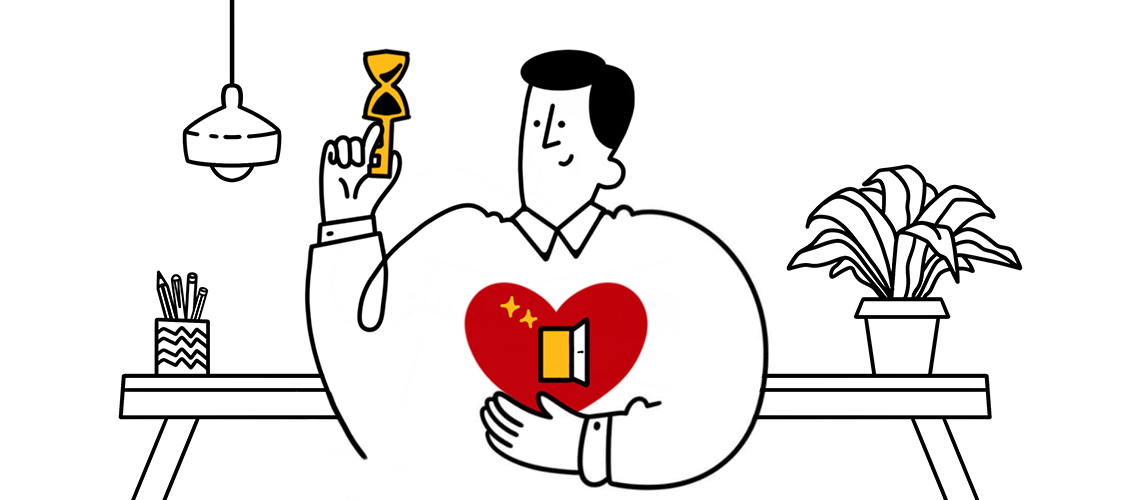
Therefore, if our goal is to have a sound heart, we have no choice but to practice patience. Patience is the key that can unlock the doors to the sound heart and prepare a person to meet God.
[1]. “The Day when neither wealth will be of any use [to any one] nor sons, except to one who will come to Allah with a sound heart.” (26: 88-89)