
Examining Mudtarr in the Amman Yujib Verse Based on the Existential Distress of Imam Mahdi
Imagine a person trapped in a damaged submarine in the dark depths of the ocean. Oxygen is running out, communications are cut off, and there is no physical way out. In this situation, a person despairs of material means and feels it with every cell of their body. In everyday language, this psychological and physical state is called helplessness—the point where material causes fail, and the individual looks to a transcendent supernatural cause for salvation. Yet this level of helplessness is a temporary, instinctive experience tied to physical survival.
If we elevate this concept from a mere biological instinct to an ontological level, we encounter a different truth. In the epistemological dimension, there is a sense of helplessness that stems not from a lack of oxygen or physical dangers but from a universal responsibility and existential separation. This exalted rank—far beyond ordinary human experience—is known as the existential distress of Imam Mahdi (Peace be upon him). By analyzing Quranic verses and narrative traditions, this article seeks to unpack the philosophical and logical dimensions of this truth, inviting the reader to reflect on how these ontological concepts connect to their own lives and fundamental human needs.
A Semantic Explanation of Idtirar and Its Existential Levels
In exegetical and philosophical terminology, Mudtarr (distressed person) refers to a being who, in essence and survival, sees all intermediary and contingent causes as void, connecting directly to Musabbib al-Asbab (the Cause of causes). Logically, Idtirar is not an accidental property but an inherent quality of a contingent being. What sets humans apart is merely their awareness of this truth: While an ordinary person realizes this dependence only during a physical crisis, at the highest levels of existence, this realization is permanent and intuitive.
Based on narrative evidence, Imam Baqir (Peace be upon him), in his exegesis of verse 62 of Surah An-Naml (Is He who answers the call of the distressed [person] when he invokes Him and removes his distress, …?) [1], attributes the highest degree of this concept to the Wali Allah al-A’zam (Imam Mahdi). In this framework, the existential distress of Imam Mahdi (Peace be upon him) transcends personal or material need. When the intermediary of divine grace is prevented—by historical and human obstacles—from exercising direct authority over society, this deprivation of agency and distance from people becomes a perpetual existential anguish.

The Fourfold Analysis of Loneliness and Displacement
Imam Ali (Peace be upon him) uses four key terms to describe the situation of Imam Mahdi (Peace be upon him) during the era of the Occultation:
In a structured analysis, these four titles do not merely describe a geographical or physical condition; rather, they signify the various dimensions of the Imam’s historical and epistemic isolation from humanity.
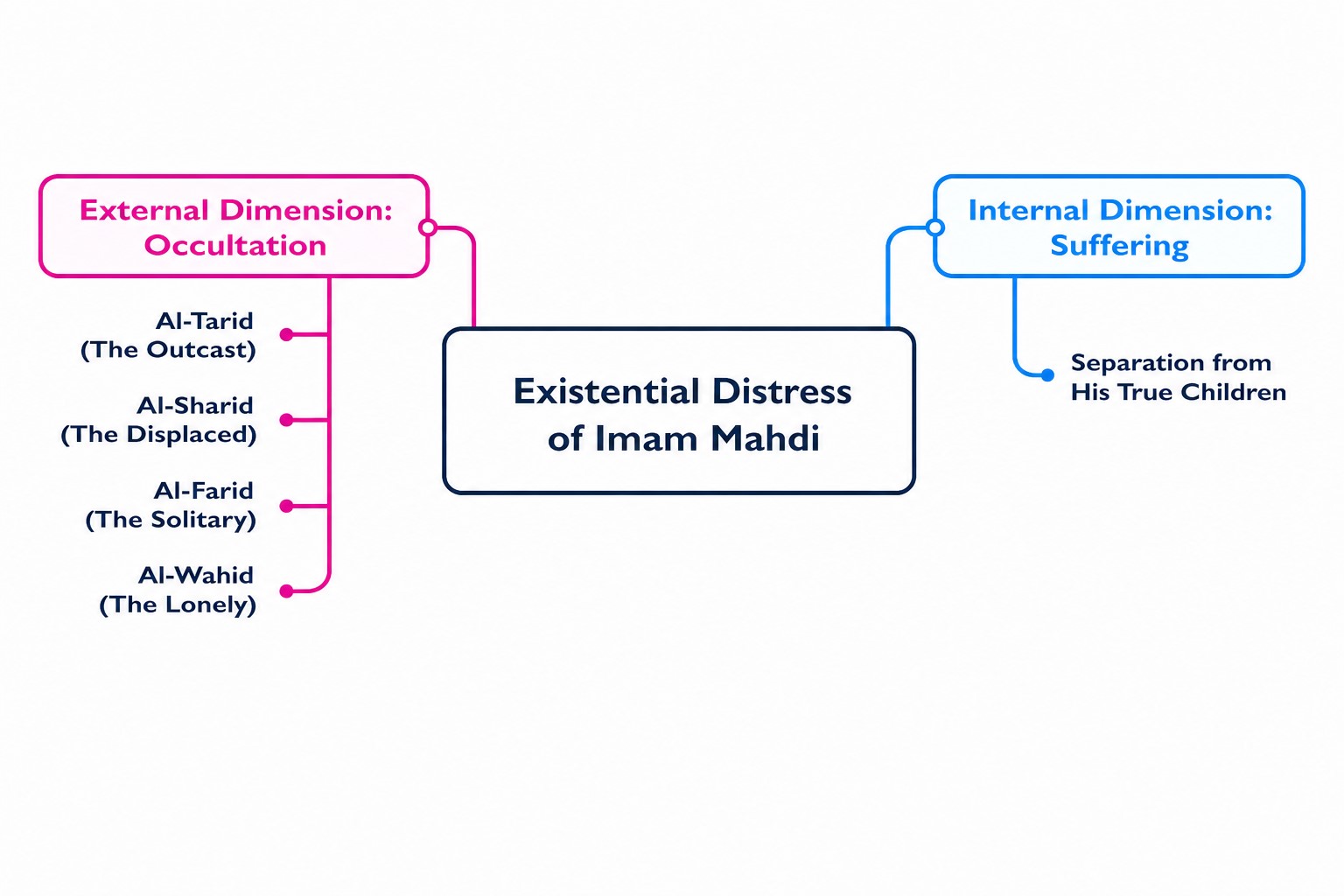
[Figure 1: External and Internal Dimensions of the Isolation and Suffering of Imam Mahdi (PBUH) during the Occultation]
This isolation forms the main basis for the philosophical analysis of the Imam’s suffering. This suffering results not from selfishness or the deprivation of personal interests but from the non-realization of the human being’s ultimate purpose of creation, which is growth and perfection under the direct guidance of God’s Wali (guardian chosen by Allah).
The Relationship Between the Occultation and the Existential Suffering of the Wali of Society
How can a spiritually perfect being experience suffering and agony? In response to this philosophical question, suffering is of two kinds: suffering out of deficiency and suffering out of perfection. Suffering out of deficiency stems from a person’s material or psychological shortcomings. Suffering out of perfection, on the other hand, arises from an abundance of compassion and a deep sense of responsibility toward guiding others.
The Wali of Allah’s anguish stems from the fact that his bond with humanity is not merely conventional or contractual. The Imam’s relationship with humanity is that of a final cause to its effect, or the soul to the body’s limbs. The Occultation—his absence from the physical midst of the people—means a severance of this organic connection on the outward level. This apparent disconnect gives rise to a continuous suffering for the conduit of divine grace. This suffering is the engine driving the demand for a transformation in the universe, interpreted as Kashf.
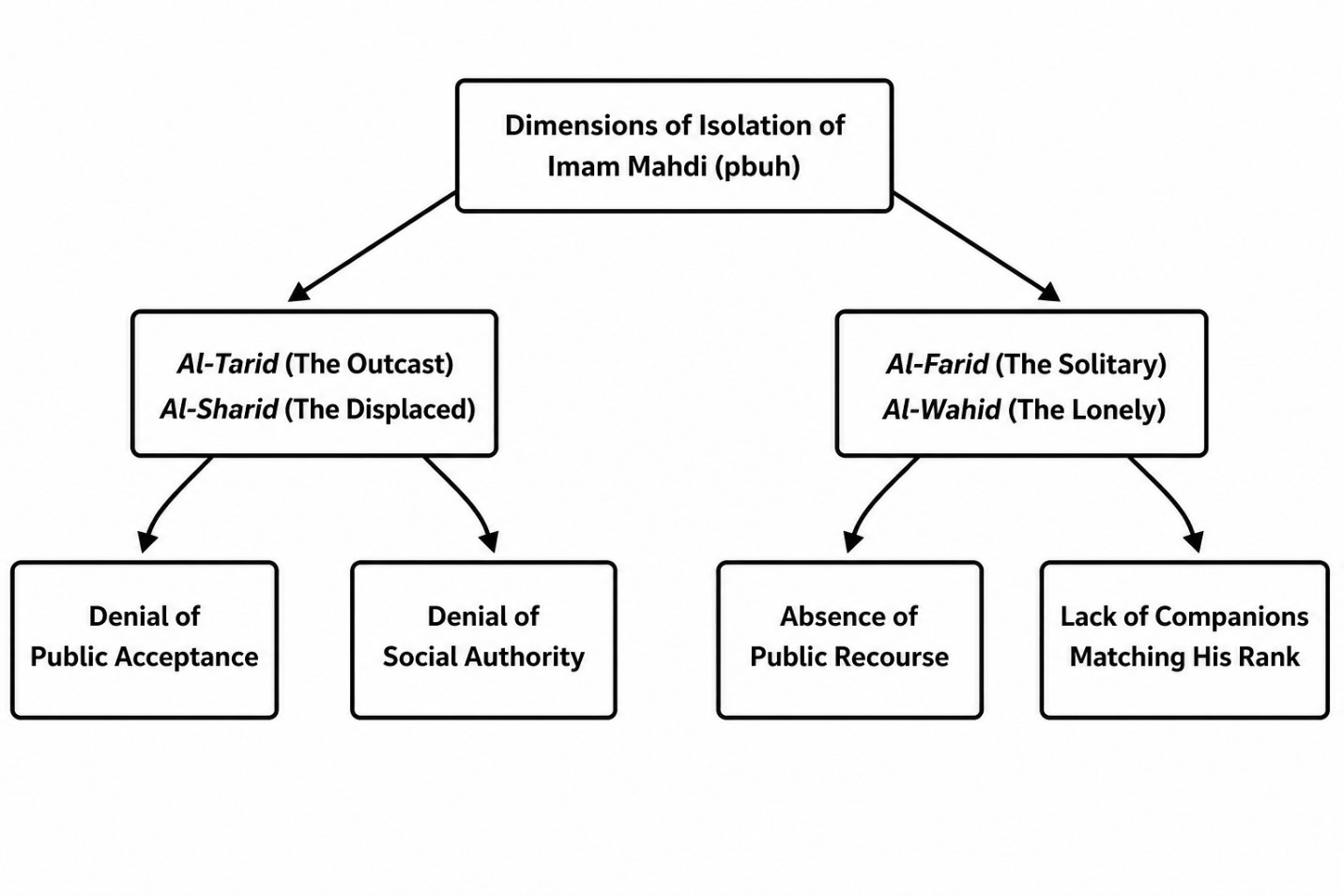
[Figure 2: Dimensions of the Isolation of Imam Mahdi (PBUH) during the Major Occultation]
Re-Reading the Amman Yujib Verse and Its Connection to the Truth of the Existential Distress of Imam Mahdi (Peace Be upon Him)
The verse “Is He who answers the call of the distressed [person] when he invokes Him and removes his distress, …?” [3] expresses a universal law in the system of creation: Whenever distress reaches a critical point and urgent prayer (istighathah) takes shape, divine response and existential transformation (Kashf al-Su’) become inevitable.
Imam Mahdi’s continuous recitation of this verse and his earnest plea for the removal of hardship show that his distress is not a passing emotional state but a continuous ontological project. The following table compares general human distress—experienced by people living at standard sensory or intellectual levels—with the unique distress of God’s Wali, highlighting the fundamental difference between the two:
| Features of General (Human) Idtirar (Distress) | Features of the Existential Idtirar (Distress) of Imam Mahdi |
| Stems from temporary, material deadlocks | Stems from the impossibility of directly guiding creation and separation |
| Aimed at personal salvation and escaping harm | Aimed at establishing global justice and achieving human perfection |
| Resolved when environmental conditions change | Persists continuously until the Advent and the end of the Occultation. |
| Based on the limited perception of partial reason (Aql-i Juz’i). | Based on complete intuitive vision (Shuhud) and alignment with Divine Will. |
This analysis reveals why relieving the affliction (Kashf al-Su’) at this level is equivalent to the end of the Occultation era and the beginning of the age of presence and monotheistic sovereignty. Furthermore, this hadith from Imam Baqir (Peace be upon him) makes clear that if the general public reaches the level of the Imam’s urgent prayer, the Advent will occur.
Witnessing the Inherent Distress: The Secret to Effectiveness
The theoretical analysis of these concepts is only effective when one can identify their tangible manifestations in their personal and social life. Humans, surrounded by the bustle of everyday life and absorbed in technological tools, usually neglect their inherent distress, assuming self-sufficiency and a lack of need for transcendent guidance.
However, encountering the spiritual, moral, and epistemological crises of the contemporary world highlights the necessity of an external guide. Understanding the existential distress of Imam Mahdi helps modern humans realize that their loneliness and wandering do not stem from a lack of technology or material comfort, but from being distanced from the primary source of guidance.
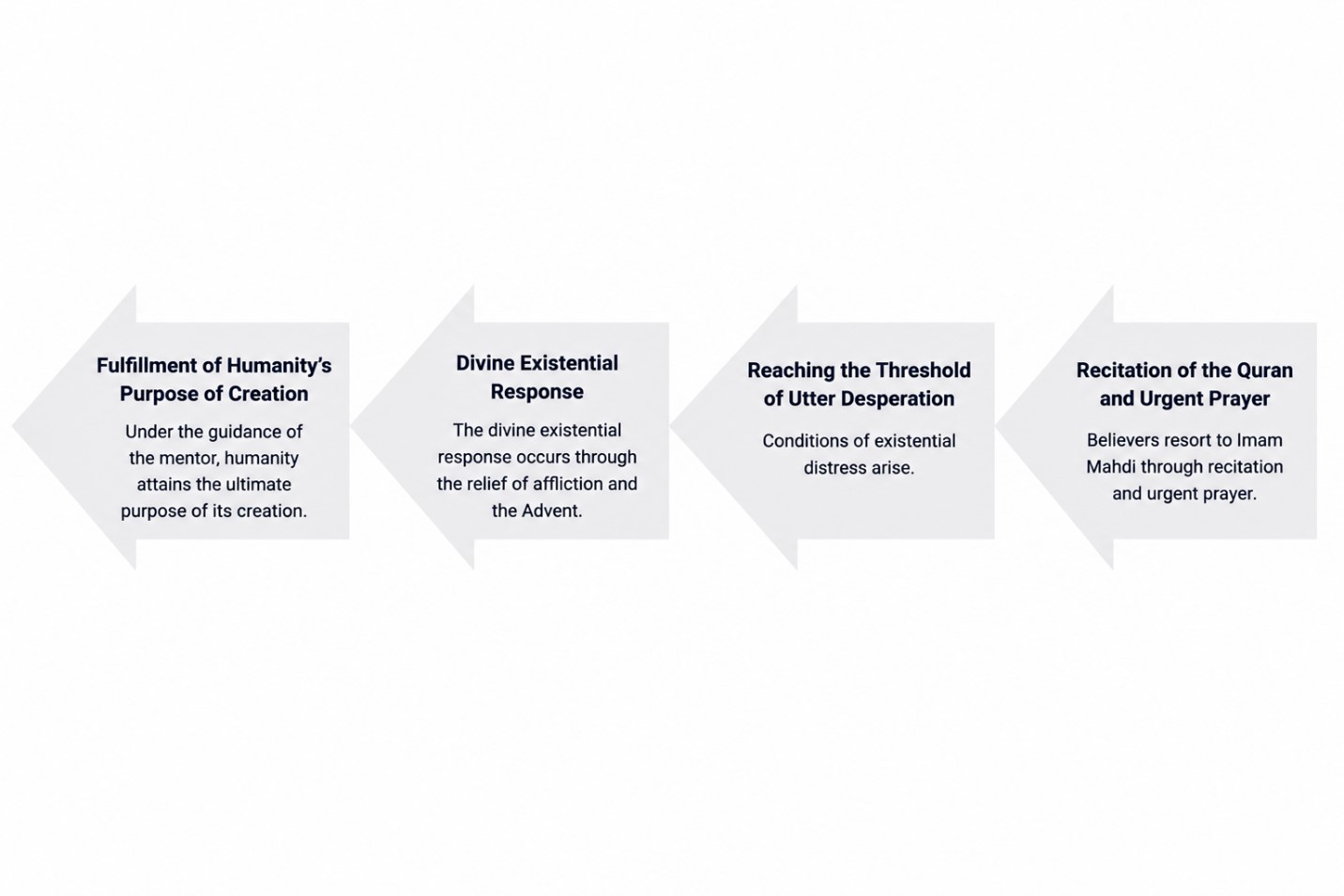
[Figure 3: The spiritual Progression from supplication to divine response]
The Process of Resolving the Crisis of the Occultation Through Kashf al-Su’
In the realm of creation, Kashf al-Su’ (relieving affliction) entails removing the communicative barriers between the Imam and creation. The groundwork for this transformation will not be laid until humanity reaches a state of collective distress and perceives the necessity of the Wali of Allah as an absolute need. Imam Mahdi’s constant plea for this realization is, in fact, the existential guidance directing the course of history toward this critical turning point.
In this article, logical analysis has shown that the terms Al-Tarid (the Outcast), Al-Sharid (the Displaced), Al-Farid (the Solitary), and Al-Wahid (the Lonely) describe the existential and epistemological state of God’s Wali during the Occultation. This state of loneliness and separation from humanity provides the ground for the Imam’s existential distress, which constitutes the perfect instance of verse 62 of Surah An-Naml.
Imam Mahdi’s continuous recitation of this verse and his plea for the relief of affliction serve as an epistemological process, guiding the world toward the ultimate purpose of creation. Understanding this rational truth helps human beings recognize their place within this existential network, realizing that escaping civilization’s current impasses requires aligning with the will of God’s Wali and striving to remove the obstacles to his presence.
References
[1]. Sayyid Muhammad Husayn Tabataba’i, Al-Mīzān fī Tafsīr al-Qur’an, vol. 15, pp. 381–383.
[2]. Shaykh al-Saduq, Kamal al-Din wa Tamam al-Ni’mah. vol. 1, Book 2, Chapter 26, hadith 13.
[3]. Quran, 27:62
Comments and questions
Ask a question or share your experience with this lesson.
After signing in and enrolling, you can join the discussion.
Be the first to ask a question about this lesson.