
The Relationship Between Kindness and Repentance and Its Impact on the Speed and Quality of Turning Away from Sin
Why is it that some people, after committing a mistake or sin, quickly feel compelled to make amends, while others remain on the same path despite warnings and reminders? Why does a small slip cause deep unrest within some, while others show little reaction even to major wrongdoings? Is the issue simply knowing the ruling and distinguishing right from wrong, or is something deeper at play?
The truth is, for some, repentance is easy, natural, quick, and lasting. For others, it is difficult, short-lived, and unstable. Knowledge and awareness are necessary for turning back, but they are not sufficient. A person may recognize their sin, understand its consequences, and even fear its outcome, yet unless the heart becomes engaged, no serious resolve for repentance takes shape. This is where we need to look beyond mere duty and knowledge, and consider the relationship between kindness and repentance. Kindness does not replace reason, duty, or religious law, but it is the driving force behind repentance.
In human relationships, how sensitive we are to mistakes depends on the quality of the relationship itself. When it comes to someone we love, even a small mistake disturbs our inner peace and makes us want to apologize and make things right. But when the emotional bond is weak, the desire to make things right also fades. This simple experience shows that the deeper the kindness, the greater the sensitivity to mistakes and the more natural the desire to turn back.
If we apply this logic to our relationship with God and the friends of God, repentance gains a deeper meaning. Repentance is no longer just an act of fear or obedience to a religious command, but a sign of a heartfelt connection with God and the Ahl al-Bayt (Peace be upon them). True repentance arises when a person feels that this inner bond has been damaged and cannot bear the distance created by sin. In this view, sin is not merely a religious violation, it is a wound to a loving relationship, and that very perspective compels us to return.
From this viewpoint, the common idea that repentance is limited to intense emotional moments, special places, times, or temporary waves of regret, is corrected. When a loving relationship exists, feelings of remorse arise naturally and remain stable. But when the relationship is weak or veiled by habit, even intense emotions lead only to temporary and unstable repentance.
This perspective also explains why even religious and knowledgeable individuals sometimes become indifferent to their own sins. The problem is not a lack of knowledge, but a weakening of the kind relationship. Following religious rules without kindness reduces the heart’s sensitivity and delays repentance. However, by reviving kindness toward God and the Ahl al-Bayt (Peace be upon them), the heart becomes sensitive again, and the path of repentance becomes clear and smooth.
Kindness and repentance cannot be separated. Repentance begins from the heart of kindness and continues into daily conduct. The deeper the kindness, the more natural and effortless repentance becomes.
Kindness as the Ground for Repentance
When repentance is discussed, most minds immediately turn to behavioral change: stopping a sin, correcting a mistake, or outwardly returning to ethical norms. Although these changes are important, repentance will not last if it stops at this level. Experience shows that behavioral change without inner transformation is often temporary; at the first sign of pressure, temptation, or a slip-up, the old path returns. That is why many acts of repentance begin but never truly succeed.
Repentance is, before anything else, a return of the heart. It is a return that begins from within and then manifests in behavior and lifestyle. Behavioral change becomes lasting only when it is built upon a heartfelt bond and an inner transformation. If the heart is not engaged, behavioral control is more like a temporary decision or a forced reaction, and it will not last. This is precisely why understanding the relationship between kindness and repentance is so important.
Every return requires attraction. A person returns to what they value and seeks to repair the relationship they consider too precious to lose. This pull cannot be created through commands or force; it arises through attachment and kindness. Knowledge and duty are necessary for repentance, but not sufficient. What truly sets the heart in motion is kindness.
This truth is fully evident in human relationships. Wherever an emotional and spiritual bond is strong, sensitivity to distance and mistakes increases, and a person feels restless until they repair the relationship. But when the bond weakens, mistakes are easily justified and distance becomes normal.
Repentance follows the same logic: Without kindness, it feels more like a heavy obligation than a movement the heart naturally desires.
Kindness toward God and the Ahl al-Bayt (Peace be upon them) extends this logic into the divine realm and reshapes how we view ourselves and others. In this view, human relationships move beyond self-interest and take on the color of servitude. We no longer seek self- improvement merely for peace of mind or to maintain social standing, but because we do not want to drift away from the path of divine nearness. Thus, the concepts of kindness and repentance become deeply intertwined.
The relationship between kindness and repentance is not one-sided. Kindness makes the heart sensitive, and this sensitivity creates a restlessness about distance. This very restlessness then activates the desire to return. When divine kindness is alive in the heart, reason and will also join the process of self-correction, enabling gradual but lasting changes in behavior. In contrast, when this kindness weakens, even good decisions fail to endure.
Enduring repentance does not come from external pressure or temporary emotional surges; it is the fruit of a heart awakened and filled with kindness, one that cannot bear separation from the true Beloved. The deeper the bond of kindness with God and friends of God, the more natural, sincere, and lasting repentance becomes. In such a journey, kindness and repentance are not two separate acts, but two sides of the same coin: a conscious and loving return to the true Beloved.
Divine Mercy: The Connecting Link Between Kindness and Repentance
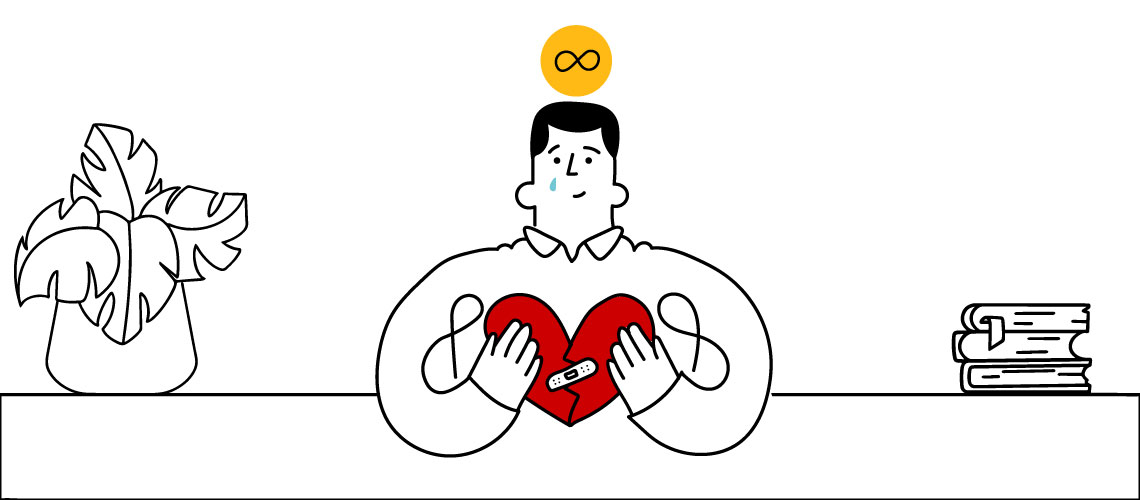
If kindness is the foundation of repentance, then we must ask: How does this kindness move beyond emotion and lead to a true return? As long as kindness remains only a feeling, it may not produce real change. Feelings fade or become weakened under the daily pressures and mistakes. So what transforms kindness into an effective force in repentance? The answer lies in the concept of beneficence (Rahmaniyyah). Beneficence is kindness that has moved beyond emotion and become a way of looking at the world, interacting with others, and living one’s life.
Beneficence creates the inner capacity to face one’s mistakes without resorting to denial, justification, or escape. A tight, hardened heart, even if aware of wrongdoing, will not feel a sincere desire to return. Such a heart often denies or excuses its mistakes, or simply remains unchanged. The problem is not ignorance; it is the inability to feel the distance from the Beloved. The more open and merciful the heart becomes, the more sensitive it is to this distance, and this sensitivity is the meeting point of kindness and repentance.
The Quran never presents repentance as separate from beneficence: “God turned to them in mercy so that they might repent” [1]. This means repentance is a human response to the opening of the door of divine mercy. Beneficence or mercy comes first, repentance follows. The essence of repentance is a response to beneficence, not merely fear or compulsion. Importantly, beneficence does not replace responsibility; it enables it. One who perceives themselves within the sphere of beneficence can face their sins and acknowledge their mistakes without falling into despair or feeling humiliated. From there, they can think about repenting and making things right.
The Quran also says, “My mercy encompasses all things” [2]. This vastness is not permission for negligence, but an invitation to return. The more divine mercy takes root within a person, especially through kindness toward God and the Ahl al-Bayt (Peace be upon them), the more repentance becomes a natural part of faithful living.
In the narrations, it is said that God rejoices at a servant’s repentance [3]. This expression shows that repentance finds its true meaning in an atmosphere of kindness and mercy rather than rejection and distance. This view frees repentance from being a heavy, forced, or isolated act and places it at the center of daily life, rather than limiting it to specific moments or places.
Later, we will explore how this divine mercy appears in everyday behavior, especially within the family, and why these simple actions play such an important role in the path of repentance.
The Family as a Training Ground for Kindness and Repentance
If beneficence does not get a chance to show itself in daily life, it gradually weakens. The family is one of the most important places for this inner quality to appear. It is where we have the most connections and tensions, but also the greatest opportunity to return and fix relationships.
In family life, mistakes are inevitable. Misunderstandings, impatience, harshness, and small hurts are all part of close relationships. The key difference lies in how these mistakes are handled. Some people get used to emotional distance and consider it normal. Others cannot stand such distance and try to fix it.
This difference is rooted less in communication skills; rather, it goes back to a person’s spiritual outlook and the level of active mercy within their heart.
Beneficence does not mean belittling sins or ignoring mistakes. It means keeping the possibility of repentance and return. A merciful outlook sees mistakes and sins but does not allow them to result in broken relationships or permanent distance. In such an environment, responsibility is not weakened, instead, it is given the chance to grow.
Simple behaviors like patience, gentleness, controlling anger, showing affection, smiling, or taking the first step to reconcile are daily exercises of mercy. These actions keep the heart in a state where accepting mistakes and the desire to make amends remain strong. Someone who has repeatedly experienced repairing relationships within their family does not see repentance as difficult or far-fetched idea because they have already practiced the logic of kindness and repentance in their closest relationships. For this reason, repentance cannot be limited to special times or places. In many cases, repentance simply continues the path we already walk in our ordinary relationships. The more life is built upon mercy and beneficence, the deeper the connection between kindness and repentance becomes.
In this lesson, we learned that repentance is not separate from life. It begins at the moment when the heart can no longer stand distance and becomes restless. This unrest is not just a result of external pressure or mere fear, but is a sign of a divine connection that has not been severed.
If you have also experienced the relationship between kindness and repentance in your personal life or daily interactions, we would be glad to hear your story.
References
[1]. Quran, 9:118
[2]. Quran, 7:156
[3]. Imam Muhammad Baqir (Peace be upon him): “Allah, the Most High, is more pleased for the repentance of His servant than one who loses his animals, that carry his load and supplies, in a dark night and then finds them out. Allah is more pleased for the repentance of His servant than the person who finds his lost properties.” (Kylayni, Kafi. Volume 2, Book 1, Chapter 191)