
Understanding Our Relationship with God: The Hidden Foundation of Our Identity, Will, and Existence
No question is as fundamental to human life as this: What is the relationship we have with God? This is not merely a theoretical or religious issue. It is the very foundation upon which all our human experience is built, including understanding of identity and morality, or our feelings of weakness, strength, hope, and anxiety. Whether we are aware of it or not, every human being lives in constant relation to an Infinite Reality, which makes our existence, continuous entity, and abilities possible. Without properly understanding this relationship, even the concept of “me” as a human being remains unclear.
Our relationship with God is far more than a routine form of worship or a psychological attachment. It is an existential and inherent (takwini) bond that defines the fundamental structure of human existence. What makes us human is the fact that our very being depends on God. Every ounce of strength, every movement, intention, and continuation of life flows directly from the One who is the true Owner of all existence. This article seeks to present a deeper, more profound understanding of our relationship with God by focusing on this foundational truth: humanity’s absolute dependence on the Creator and the Creator’s absolute ownership.
Humanity’s Dependence on God and Its Existential Implications
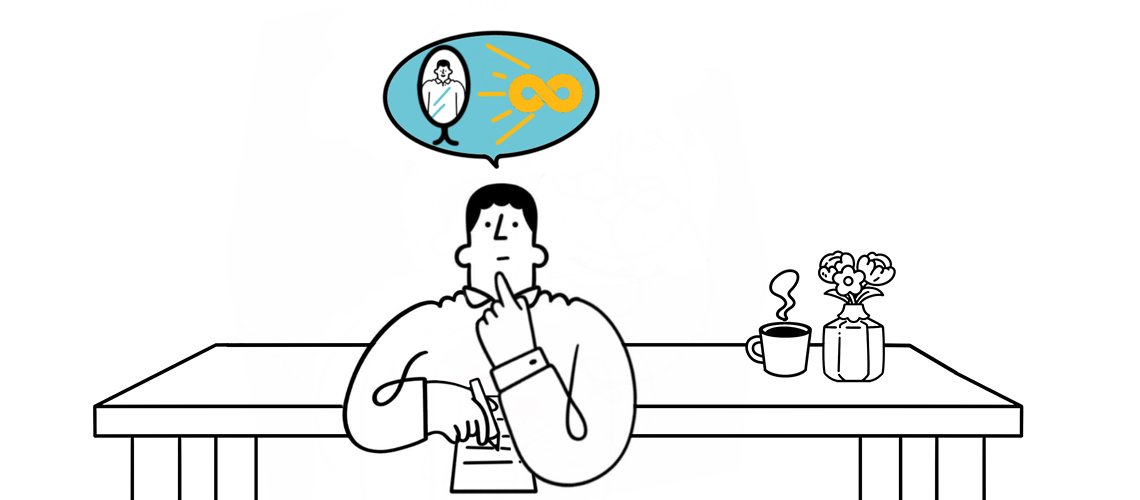
Human beings do not have independent existence. We are nothing but a manifestation of God. This statement is not a poetic symbolism; rather, it is an undeniable ontological reality. To better grasp this concept, imagine a person in your mind who appears active, powerful, and purposeful. In truth, every movement and ability of that imagined figure comes directly from you. The exact moment you stop imagining that person, the figure not only loses its power but vanishes altogether, since that imagined being is merely a manifestation of your own mind. Similarly, all the characters, settings, and laws within a novel are manifestations of the author’s inner world.
Similarly, human beings are real manifestations of God. An imagined figure exists solely within the mind that creates it, just as humanity’s entire existence depends on God. We do not generate our own strength, will, survival, or influence. Instead, these qualities are reflections of the Infinite Power that flows through us.
From this perspective, this dhikr (remembrance of God), “There is no power except with Allah” [1] carries a meaning far beyond a simple devotional statement. It actually summarizes a profound metaphysical truth. That is, no change, capacity, or action occurs independently through human beings alone. Everything originates from the Creator and simply appears through us.
This view of our existence is the foundation of human connection to God. In this relationship, humans are not God’s partners or rivals. We are not independent beings acting on our own. Instead, we are containers for His manifestation, and are just like rays of light that disappear the instant the sun stops shining. Adopting such an understanding effectively destroys human arrogance, self-sufficiency, and the illusion of total independence. Yet, importantly, it does not diminish human value. Instead, it clarifies humanity’s true place within the system of creation: a being that possesses power, but does not own it; a being with a will, yet whose will is entirely dependent on its Creator.
Absolute Ownership of God and the Ontological Reality of Our Bond with Him
God is the “Lord of all the worlds” [2] and the true Owner of existence. This ownership is not contractual or conventional. It is an ontological ownership (God’s inherent possession of humanity). Ownership in worldly affairs is merely legal or social. That is, someone buys a house, and their ownership is recognized legally. However, the relationship between God and humanity is fundamentally different. The Creator owns the very essence of human existence. Our being comes from that Source and cannot continue for a fraction of a second without it.
This seemingly simple truth is the master key to fully understanding our bond with God. True ownership means that humanity inherently belongs to God and is dependent on Him, not in a legal sense, but existentially. Our existence, awareness, abilities, and actions are continuously supported by God’s grace. If this support were removed for even an instant, we would have nothing left that we could call our own.
Now, remember the earlier example of “the imagined figure.” If the imagined figure leaves the attention of the mind that created it even for an instant, it vanishes completely. Of course, human beings are not imaginary, yet our “true existence” is entirely dependent on God. We exist only through our unbroken connection to the Source of life.
In this sense, our relationship with the Creator is not a transaction between two completely independent beings. It is the link between the manifestation and the source, the dependent and the provider. Embracing this perspective basically transforms our understanding of ourselves and the world around us. In this view we are not beings who possess a certain amount of power independently while receiving the rest from God. Rather, every single aspect of our existence depends completely on that Higher Power. We are entirely in need, and under divine ownership. Surprisingly, realizing this total dependence is not a weakness. It is actually the truest, most enduring source of human security and strength.
The Results of Human Dependence and True Ownership in Understanding Our Relation to God
Recognizing humanity’s fundamental dependence on God creates a framework without which our relationship with Him simply cannot be properly understood. This realization leads to several profound outcomes:
-The Collapse of the Illusion of Existential Independence
If human beings depend entirely on God, then the idea of an “absolutely independent human” collapses. Human identity gains its true meaning only through its connection to God. That is, humanity is not separate from its Creator, nor a self-sustaining reality. It is instead an all-embracing manifestation of God.
-Understanding the Reality of Servitude
If everything we have-power, will, opportunity, survival, and the like – comes from God, then harboring feelings of entitlement before God loses all logical meaning. Human beings possess nothing independently upon which they can truly rely. This understanding leads us to a genuine, authentic servitude that is rooted in profound humility and deep awareness, rather than in fear or coercion.
-A Deeper Understanding of “Power and Strength” (Hawl and Quwwa)
Every action performed by a human being ultimately derives its power from God. That is, God is not merely an original creator. His creation is continuous and ongoing. This insight gives immense depth to our relationship with God, reminding us that we rely at every moment on a Power that we are not its owner.
-A New Understanding of Will and Power
Properly understanding our relationship with God does not deny our free will; rather, it accurately clarifies it. We have will, but it is not independent. This is not strict determinism. Instead, it means our choices are made through dependence on God. Our freedom is real, but it comes from Him, not ourselves.
Tawhid (Oneness of God/Monotheism) as the Ultimate Horizon of Our Bond with God
“Since God is absolute existence. there can be no other being that exists independently of Him.”
This profound statement expresses one of the deepest truths of divine ontology. Absolute existence means a reality within which all other levels of existence are completely immersed. This immersion does not mean annihilation; rather, it signifies total, life-giving dependence. This perspective elevates our connection to God far beyond superficial interpretations, revealing its true ontological depth. We do not exist alongside the Creator; our existence is entirely within divine existence. Tawhid means understanding that nothing has independent existence: Everything relies on the One. This fully grasps our dependence on God, a dependence shared by all creation. The universe in its entirety is a manifestation, a reflection, and a sign of God.
Our relation to God is not merely a connection between two separate beings. It is the profound relationship between Absolute Reality and its manifestations. This bond is unbreakable, as it touches every dimension of our lives.
Gathering all these philosophical and spiritual threads together, one truth becomes unmistakably clear: Human beings cannot be conceived apart from their Creator —not in their origin, their continued existence, their power, their will, or their actions. This is the very essence of our relationship with God. Human existence belongs truly to the Creator, and everything we perceive as our own “ability” or “ownership” is actually a sacred trust continuously granted to us.
Understanding this deep connection fundamentally alters our world view, the concept of identity, morality, and spirituality. It changes how we think about power and even redefines what freedom truly means. Through this elevated understanding, human beings rediscover their true place in the cosmos. We are neither powerless and insignificant, nor absolutely independent. We are magnificent vessels, fully capable of reflecting divine light according to our inner purity.
Our connection to God is not merely an act of worship, a religious contract to be fulfilled, or a fleeting psychological state. It is a living, breathing existential reality flowing through the deepest parts of our being at every single moment. If we fail to understand this relationship, we ultimately fail to understand ourselves. But if we truly comprehend it, we encounter both the world and its Creator from a breathtakingly new horizon.
References
[1] . Quran, 18:39
[2] . Ibid., 1:1